Wainwright Walks episode 2 – Scaling the Heights: Julia Bradbury’s Journey Up Blencathra
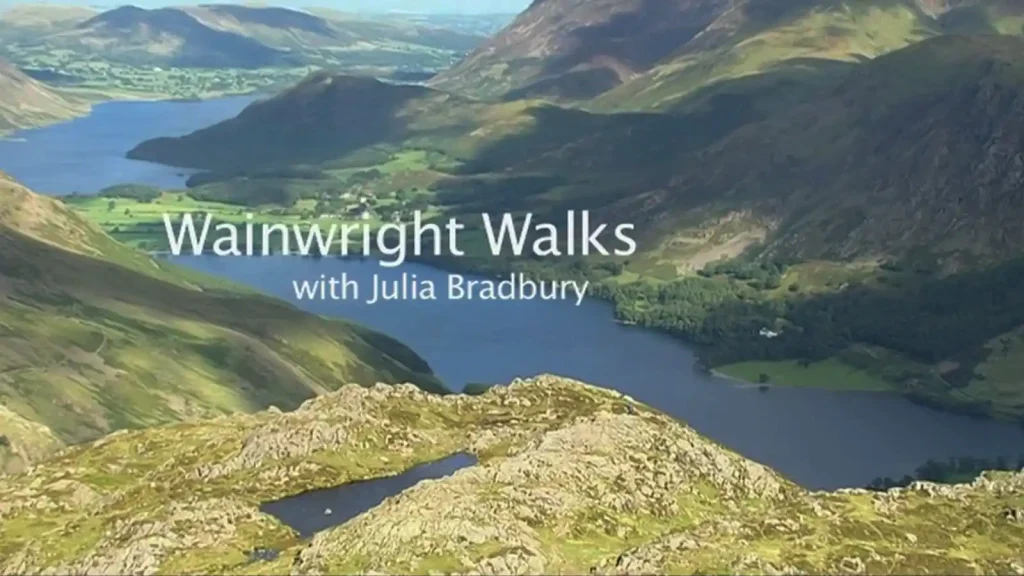
In the BBC documentary “Wainwright Walks episode 2 – Blencathra,” viewers embark on a mountaineering adventure with Julia Bradbury. The episode follows her as she tackles her first mountain climb up Blencathra, confronting the notorious Sharp Edge ridge. Throughout her journey, Bradbury uncovers why Alfred Wainwright, the legendary fell-walker and guidebook author, dedicated more pages to this particular fell than any other in his comprehensive Lake District guides.
Nestled in the northern reaches of England’s Lake District, Blencathra stands as a solitary sentinel. At 2,847 feet, this imposing mountain represents a significant challenge for any walker. The documentary immediately establishes the fell’s importance through Bradbury’s narration, highlighting how Wainwright devoted exceptional attention to mapping this mountain completely.
Blencathra possesses a distinctive character that separates it from other Lake District peaks. For instance, it stands alone at the northernmost tip of the region, providing uninterrupted views across to the Pennines. Furthermore, its alternative name, Saddleback, derives from its unique plateau-like summit that resembles a saddle when viewed from certain angles.
The documentary expertly captures the dual identity of this mountain. On one hand, Blencathra represents an accessible wilderness experience, while on the other, it presents genuine climbing challenges that demand respect. This duality likely contributed to Wainwright’s fascination with the fell.
Alfred Wainwright’s handwritten and illustrated guides serve as the documentary’s intellectual foundation. These meticulously crafted books have sold over a million copies since their first publication more than 50 years ago. They function as both practical guides and deeply personal reflections on the Lake District landscape.
Bradbury uses Wainwright’s Northern Fells guide as her companion throughout the journey. His vivid descriptions and precise illustrations help viewers understand the historical context of the mountain and its surrounding features. For example, when discussing the A66 road that now cuts along the mountain’s base, Bradbury quotes Wainwright’s opposition to turning “highways into racetracks” as “an offence against good taste.”
The documentary also introduces Chris Jesty, the man tasked with revising Wainwright’s original guides. Through their conversation, viewers gain insight into Wainwright’s working methods and personal preferences. Notably, Jesty reveals that Blencathra appears in Wainwright’s list of six favorite mountains, with Sharp Edge specifically mentioned as one of his favorite places.
Wainwright Walks episode 2
The Route to the Summit
Bradbury’s chosen path follows one of Wainwright’s recommended routes. Starting from Scales Village, she gradually ascends through bracken before reaching Mousthwaite Combe. From there, she follows the Glenderamackin River valley, eventually arriving at Scales Tarn, a glacial lake nestled beneath Sharp Edge.
The documentary effectively portrays the changing character of the landscape during the ascent. Initially, Bradbury contends with the noise of the A66 road. However, as she progresses into the valley, the urban sounds fade away, replaced by the gentle rushing of the river and occasional bleating of sheep.
This transition from civilization to wilderness reflects one of Wainwright’s core motivations for fell-walking. The documentary quotes him directly: “The tinkling of a mountain stream, the twittering of birds, the sound of wind sighing across the mountaintops… That’s music to me.” Therefore, viewers understand how the solitude of these environments provided Wainwright with profound emotional satisfaction.
The Challenge of Sharp Edge
Sharp Edge represents the documentary’s climactic sequence. Bradbury’s apprehension becomes palpable as she approaches this notorious ridge, described in Wainwright’s guide as “a breaking wave carved in stone.” The camera work effectively captures the precipitous drops on either side, enhancing the sense of exposure and danger.
For this challenging section, Bradbury acknowledges she requires assistance. She introduces David, her mountain guide, who accompanies her across the ridge. Their interaction adds an educational dimension to the documentary as David explains the “three points of contact” technique for safely traversing exposed sections.
The documentary skillfully balances Bradbury’s genuine fear with her determination to complete the challenge. When she successfully crosses Sharp Edge and climbs up Foule Crag to reach the summit plateau, her sense of accomplishment resonates strongly. “For me, there’s a real buzz about completing something that genuinely makes you nervous,” she reflects, a sentiment many viewers might share.
The Summit Reward
Upon reaching Blencathra’s summit, the documentary delivers its visual payoff. Panoramic shots showcase the spectacular views extending across the Lake District and beyond to Scotland. David identifies surrounding peaks, including Skiddaw, Helvellyn, and Catbells, contextualizing Blencathra within the broader Lakeland landscape.
This summit sequence also provides an opportunity to revisit Wainwright’s writings. Bradbury quotes his disappointment with the summit cairn, describing it as “a poor untidy heap of rubble.” This detail humanizes Wainwright, revealing his perfectionist tendencies and deep emotional investment in these mountains.
Historical and Environmental Context
Throughout the documentary, Bradbury weaves in geographical and historical information about the Lake District. She explains how glaciers carved out the landscape thousands of years ago, creating features like Scales Tarn. Additionally, she discusses the evolution of path construction, noting that Blencathra remains refreshingly free from man-made paths.
The documentary also acknowledges the modern pressures facing the Lake District. Bradbury mentions the 19 million annual visitors and observes that Wainwright’s cherished solitude has become increasingly difficult to find. When resting at Scales Tarn, she encounters other hikers, remarking that the area has become “a mecca for lunchers.”
These observations raise subtle questions about tourism, conservation, and access. How can these beautiful landscapes remain accessible without being damaged by excessive foot traffic? The documentary doesn’t provide explicit answers but encourages viewers to consider these environmental dilemmas.
Production Quality and Presentation
From a production standpoint, the documentary achieves an effective balance between informative content and visual appeal. The cinematography captures both intimate details and sweeping landscapes, conveying the scale and beauty of Blencathra. Aerial shots particularly enhance viewers’ understanding of the mountain’s distinctive shape and its relationship to surrounding features.
Bradbury’s presenting style combines enthusiasm with accessibility. She admits her limitations as a climber, creating moments of genuine tension during the Sharp Edge sequence. This honesty helps viewers connect with her experience, especially those who might find such terrain intimidating themselves.
The documentary’s pacing deserves recognition as well. It allocates appropriate time to each section of the walk, building tension as Bradbury approaches the challenging Sharp Edge. Moreover, it intersperses the physical journey with historical information and quotes from Wainwright, creating a multidimensional portrait of both the mountain and the man who documented it.
Cultural Significance
“Wainwright Walks” contributes to a rich tradition of British nature documentaries that celebrate the country’s landscapes. However, it distinguishes itself through its focus on walking as a means of connection with these environments. Unlike wildlife documentaries that position humans as observers, this program places human experience at its center.
The documentary also serves an important cultural function by preserving Wainwright’s legacy. It introduces new generations to his guides and his distinctive perspective on the Lake District. By physically following his recommended routes, Bradbury demonstrates their continuing relevance despite being written decades ago.
Additionally, by highlighting Wainwright’s opposition to the A66 road construction, the documentary subtly connects historical conservation concerns with contemporary environmental issues. It reminds viewers that tensions between development and preservation have persisted throughout modern history.
Educational Value
Beyond its entertainment value, the documentary provides practical information for potential walkers. It demonstrates appropriate preparation, highlights potential challenges, and emphasizes safety considerations for mountain environments. David’s presence as a guide reinforces the importance of skills and experience when tackling more technical routes.
The program also educates viewers about specific geographical features of the Lake District. Bradbury explains the formation of tarns, the characteristics of fell vegetation, and the historical naming of mountains. These educational elements enhance viewers’ appreciation of the landscape beyond its aesthetic qualities.
In the Footsteps of A Legend: Bradbury’s Triumph on Blencathra
As the sun casts long shadows across Blencathra’s distinctive saddle-shaped summit, Julia Bradbury’s journey transcends mere physical achievement. Her expedition honors Alfred Wainwright’s legacy while simultaneously creating something new and deeply personal. Through her vulnerable moments on Sharp Edge, we witness the transformative power of stepping beyond comfort zones.
The documentary succeeds brilliantly because it balances multiple elements with remarkable finesse. Furthermore, it interweaves historical context with present-day environmental concerns, creating a tapestry rich with meaning and relevance. Consequently, viewers gain not just entertainment but also education about proper mountain techniques and appreciation for this unique landscape.
Mountains have always served as powerful metaphors for life’s challenges. Similarly, Bradbury’s climb represents the universal human experience of facing fears, persevering through difficulties, and discovering unexpected strength. Her visible relief and joy upon reaching the summit remind us why we seek such experiences despite their demands.
What makes “Wainwright Walks” particularly valuable is its accessibility to diverse audiences. Even armchair travelers can appreciate the stunning cinematography that captures Blencathra’s majestic presence throughout changing weather conditions. Meanwhile, aspiring hikers receive practical insights about route planning and safety considerations.
Wainwright himself would likely approve of this thoughtful portrayal of his beloved fell. His meticulous guides aimed to share not just geographic information but also emotional connection to these ancient landscapes. In this sense, Bradbury continues his mission by introducing new generations to the wonders of the Lake District.
As climate change and increased tourism create new pressures on these environments, documentaries like this serve an essential preservation function. They cultivate respect for natural spaces and promote responsible engagement with fragile ecosystems. Above all, they remind us why such places deserve protection.
The journey up Blencathra ultimately represents something timeless about human experience. We seek challenge, beauty, and connection with something larger than ourselves. In following Wainwright’s footsteps, Bradbury doesn’t merely replicate his journey – she invites us all to discover our own meaningful path through these magnificent fells.
FAQ Wainwright Walks episode 2
Q: What is Wainwright Walks and who was Alfred Wainwright?
A: Wainwright Walks is a documentary series following Julia Bradbury as she explores the Lake District fells documented by Alfred Wainwright. Moreover, Wainwright was a legendary fell-walker, author, and artist who created meticulously handwritten and illustrated guidebooks to the Lake District. His seven-volume Pictorial Guide to the Lakeland Fells, covering 214 mountains and hills, has sold over a million copies since first publication in the 1950s and 1960s. Wainwright’s detailed drawings, personal observations, and precise route descriptions continue to guide modern hikers through this beautiful landscape.
Q: Why is Blencathra considered special among Lake District fells?
A: Blencathra holds unique significance as the mountain Wainwright devoted more pages to than any other fell. Standing alone at the northernmost tip of the Lake District, this 2,847-foot mountain offers spectacular panoramic views extending to Scotland and the Pennines. Additionally, Blencathra features the notorious Sharp Edge, one of the Lake District’s most challenging ridge scrambles. The mountain’s distinctive saddle-shaped summit earned it the Victorian-era name “Saddleback,” though Wainwright preferred its ancient name. Unlike many popular fells, Blencathra remains relatively free from constructed footpaths, preserving a more natural walking experience.
Q: What makes Sharp Edge such a challenging route?
A: Sharp Edge earned its ominous reputation as one of the Lake District’s most technically demanding ridge walks. Wainwright himself described it as “a breaking wave carved in stone” with a crest “sharp enough for shaving.” The narrow, exposed ridge features steep drops on both sides, creating serious consequences for any misstep. Furthermore, certain sections require scrambling techniques using both hands and feet, particularly at the notorious “awkward place” requiring a shuffle onto a knife edge. Weather conditions dramatically affect difficulty, as the slate rock becomes treacherously slippery when wet. Even experienced mountain guides approach this ridge with appropriate caution.
Q: What route does Julia Bradbury take up Blencathra?
A: Julia Bradbury’s ascent follows one of Wainwright’s classic routes up Blencathra. She begins at Scales Village near the A66 road, then climbs steadily through bracken to reach Mousthwaite Combe. After following the Glenderamackin River valley, she arrives at the secluded Scales Tarn, a glacial lake nestled beneath Sharp Edge. Subsequently, she tackles the challenging Sharp Edge ridge with assistance from mountain guide David. After successfully traversing the ridge, she climbs Foule Crag to reach the mountain’s distinctive plateau summit. This route combines gradual ascent sections with technically demanding portions, showcasing Blencathra’s diverse character.
Q: How are Alfred Wainwright’s guidebooks different from modern hiking guides?
A: Wainwright’s guides stand apart from modern hiking publications through their deeply personal and artistic approach. Each page features his distinctive handwriting alongside intricate hand-drawn illustrations depicting routes, perspectives, and landscape features. Unlike standardized modern guides, Wainwright included personal observations, emotional reflections, and occasional humor throughout his descriptions. Additionally, his books contain incredibly detailed route information, documenting virtually every path, stream, and rock formation on each fell. Rather than focusing solely on popular routes, Wainwright meticulously mapped multiple approaches to each summit, creating comprehensive fell portraits that blend practical guidance with artistic expression.
Q: What environmental concerns about the Lake District are highlighted in Wainwright Walks?
A: The documentary subtly addresses several environmental challenges facing the Lake District. First, it highlights Wainwright’s opposition to the A66 road construction, which he viewed as sacrificing natural character “to satisfy speeding motorists.” Furthermore, the program acknowledges how increased tourism impacts the visitor experience, with Bradbury noting that Wainwright’s cherished solitude has become increasingly rare among 19 million annual visitors. The documentary also touches on path erosion issues, noting how many popular routes now require specially constructed footpaths to prevent further damage. These environmental themes connect historical conservation concerns with contemporary challenges of balancing access and preservation.
Q: Who is Chris Jesty and what is his connection to Wainwright’s guides?
A: Chris Jesty appears in the documentary as the person responsible for revising Wainwright’s original guidebooks. He undertook the substantial task of checking and updating every path, scree slope, and cairn documented in Wainwright’s seven Lakeland volumes. Interestingly, Jesty had a brief connection with Wainwright during his lifetime, having sent him a guide to Snowdon that featured panorama illustrations Wainwright admired. Jesty brings valuable insights about Wainwright’s preferences, revealing that Blencathra appeared among his six favorite mountains. Despite his extensive Lake District knowledge, even Jesty acknowledges finding Sharp Edge too challenging, providing perspective on the route’s difficulty.
Q: What makes Scales Tarn a notable feature of Blencathra?
A: Scales Tarn stands as one of Blencathra’s most distinctive features, appearing prominently in the documentary. This small mountain lake sits in a dramatic natural amphitheater directly beneath Sharp Edge, creating a perfect resting spot before tackling the ridge. Geologically, it exemplifies a classic glacial tarn, formed where massive basins of ice once gathered during the last ice age. The documentary explains how thousands of such tarns emerged across the Lake District after glaciers retreated approximately 10,000 years ago. Moreover, the tarn’s secluded position, surrounded by steep slopes on three sides, creates a uniquely enclosed atmosphere despite its high elevation.
Q: How does Julia Bradbury’s presenting style enhance the documentary?
A: Julia Bradbury’s presentation strikes an effective balance between enthusiastic engagement and authentic vulnerability. She openly acknowledges her limitations and fears, particularly during the Sharp Edge sequence, creating genuine tension and relatable moments. Furthermore, her conversational approach makes complex geographical and historical information accessible to viewers of all backgrounds. She skillfully weaves together Wainwright’s writings with her own observations, connecting past and present perspectives on the landscape. Additionally, her visible emotional responses to challenging sections and magnificent views help viewers connect with the physical and psychological aspects of mountain walking.
Q: What is the cultural significance of Wainwright Walks in preserving outdoor traditions?
A: Wainwright Walks serves an important cultural function by preserving and extending traditional British fell-walking knowledge. By physically following routes documented decades earlier, the series demonstrates the enduring relevance of Wainwright’s guides to modern walkers. Additionally, the program introduces new generations to his distinctive perspective on landscape appreciation, potentially inspiring fresh interest in his original books. The documentary also captures disappearing aspects of Lake District culture, such as the use of traditional place names like Blencathra instead of Victorian alternatives. Most importantly, it celebrates the democratizing aspect of fell-walking as an accessible way for diverse people to meaningfully connect with Britain’s natural heritage.