History

Video documentaries about history of the world

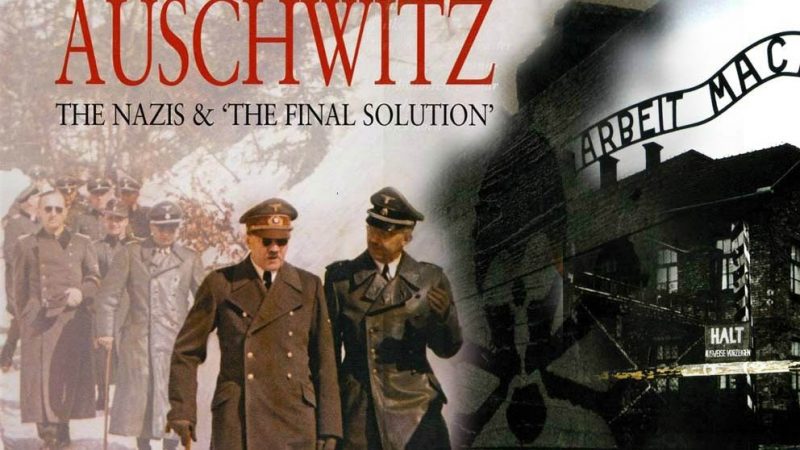
Auschwitz - The Nazis and The Final Solution

Auschwitz – The Nazis and The Final Solution

Auschwitz – The Nazis and The Final Solution is a BBC six parts documentary film series presenting the story of Auschwitz through interviews with former inmates and guards to include authentic re-enactments of relevant events. The history of the Final Solution phase of the Nazi Holocaust, particularly with the most infamous of the death camps.   Auschwitz – The Nazis and The Final Solution Part 1 – Surprising Beginnings   German commanders discover the efficiency of gassing prisoners, and Auschwitz transforms from a small backwater camp for those resisting the Nazi occupation of Poland to a large scale extermination camp for […]

Auschwitz – The Nazis and The Final Solution Read More »


Africa's Great Civilizations

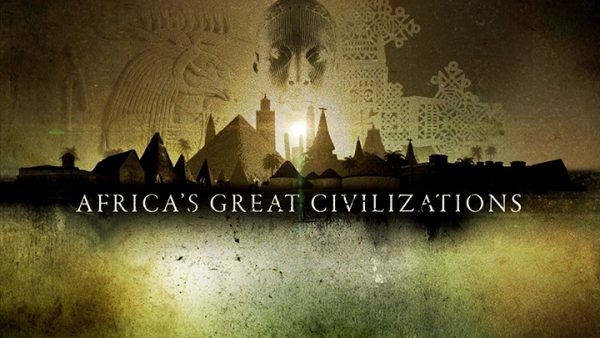
Africa’s Great Civilizations

In his six-hour – 6 part series, Africa’s Great Civilizations, Henry Louis Gates, Jr. takes a new look at the history of Africa, from the birth of humankind to the dawn of the 20th century. This is a breathtaking and personal journey through two hundred thousand years of history, from the origins, on the African continent, of art, writing and civilization itself, through the millennia in which Africa and Africans shaped not only shaped their own rich civilizations, but also the wider world.   Africa’s Great Civilizations Part 1     Henry Louis Gates Jr. explores Africa’s rich history. Journey

Africa’s Great Civilizations Read More »

Vienna: Empire, Dynasty and Dream

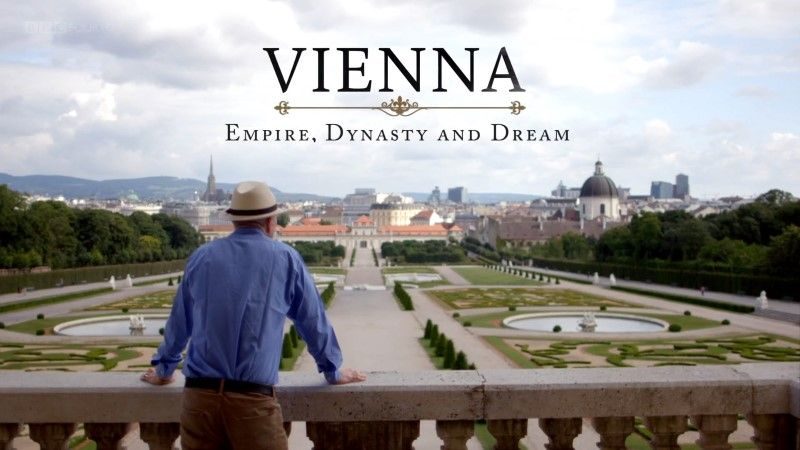
Vienna: Empire, Dynasty and Dream

Vienna was the capital of the Habsburg dynasty and home to the Holy Roman Emperors. From here, they dominated middle Europe for nearly 1,000 years. In this series, historian Simon Sebag Montefiore describes how the Habsburgs transformed Vienna into a multi-national city of music, culture and ideas. Napoleon, Hitler, Mozart, Strauss, Freud, Stalin and Klimt all played their part. Vienna: Empire, Dynasty and Dream ep. 1 – Rise of the Habsburg Empire Vienna, once the pulsating heart of the Habsburg dynasty, was more than just a capital—it was the nerve center of an empire that dominated Central Europe for nearly

Vienna: Empire, Dynasty and Dream Read More »


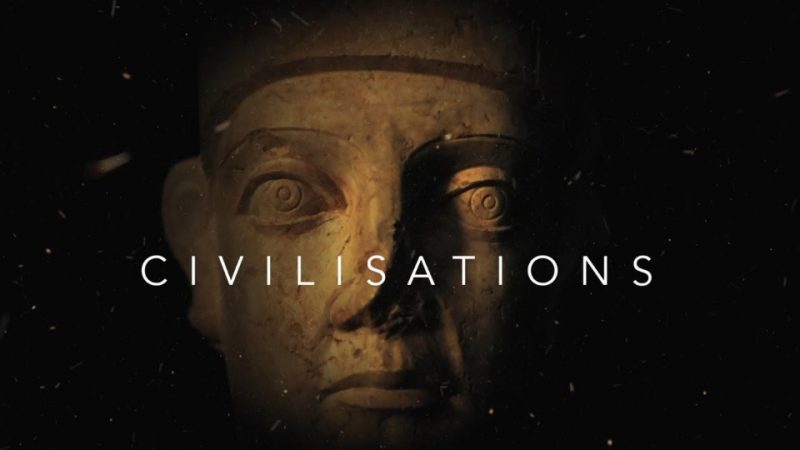
Civilisations episode 9

Civilisations episode 9 – The Vital Spark

In Civilisations episode 9, Simon Schama begins Civilisations with this premise: that it is in art – the play of the creative imagination – that humanity expresses its most essential self: the power to break the tyranny of the humdrum, the grind of everyday. Art, then, makes life worth living; it is the great window into human potential. And societies become civilised to the extent that they take culture as seriously as the prosecution of power, or the accumulation of wealth.     But in the century of total war and industrial slaughter was (and is) that enough? The cause

Civilisations episode 9 – The Vital Spark Read More »

Civilisations episode 8

Civilisations episode 8 – The Cult of Progress

If David Olusoga’s first film in Civilisations is about the art that followed and reflected early encounters between different cultures, his second explores the artistic reaction to imperialism in the 19th century. David shows the growing ambivalence with which artists reacted to the idea of progress – both intellectual and scientific – that underpinned the imperial mission and followed the Enlightenment and the Industrial Revolution.     Advances in knowledge and technology imbued Europeans in the 19th century with a sense of their civilisation’s superiority. It justified their imperial ideology. But it created among artists a deep fascinations with other

Civilisations episode 8 – The Cult of Progress Read More »


Civilisations episode 7

Civilisations episode 7 – Radiance

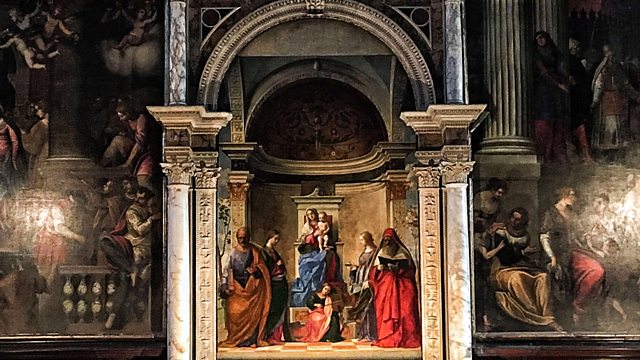
In Civilisations episode 7, Simon Schama starts his meditation on colour and civilisation with the great Gothic cathedrals of Amiens and Chartres. He then moves to 16th century Venice where masterpieces such as Giovanni Bellini’s San Zaccaria altarpiece and Titian’s Bacchus and Ariadne contested the assumption that drawing would always be superior to colouring.     As the Baroque took hold in enlightenment Europe another Venetian, Giambattista Tiepolo, created a ceiling fresco Apollo and the Four Continents at the Bishop’s palace in Würzburg.   Civilisations episode 7 – Radiance   In a glorious sequence Simon celebrates this grand opera of

Civilisations episode 7 – Radiance Read More »

Civilisations episode 6

Civilisations episode 6 – First Contact

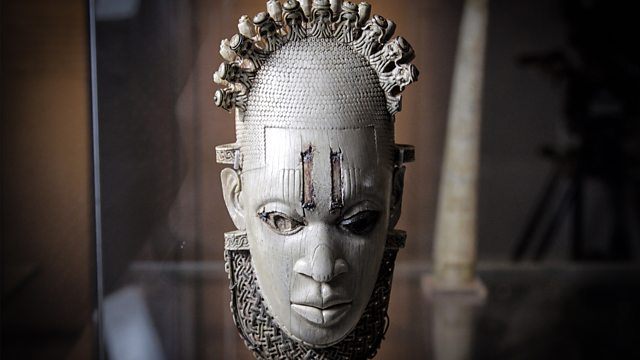
In the 15th and 16th centuries distant and disparate cultures met, often for the first time. These encounters provoked wonder, awe, bafflement and fear. And, as historian of empire David Olusoga shows, art was always on the frontline. Each cultural contact at this time left a mark on both sides: the magnificent Benin bronzes record the meeting of an ancient West African kingdom and Portuguese voyagers in a spirit of mutual respect and exchange. By contrast we think Spain’s conquest of Central America in the 16th century as decimating the Aztecs and eviscerating their culture.     Civilisations episode 6

Civilisations episode 6 – First Contact Read More »


Civilisations episode 5

Civilisations episode 5 – The Triumph of Art

Think Renaissance and you think Italy. But in the 15th and 16th centuries the great Islamic empires experienced their own extraordinary cultural flowering. The two phenomena did not unfold in separate artistic universes; they were acutely conscious of, and in competition with, each other and mutually open to influences flowing both ways.     The fifth film in Civilisations goes east and west with Simon Schama: to Papal Rome but also to Ottoman Istanbul and Mughal Lahore and Agra, exploring those connections and rivalries, and examining how the role of artists from the different traditions of West and East developed

Civilisations episode 5 – The Triumph of Art Read More »

Civilisations episode 3

Civilisations episode 3 – Picturing Paradise

In Civilisations episode 3, Simon Schama explores one of our deepest artistic urges – the depiction of nature. Simon discovers that landscape painting is seldom a straightforward description of observed nature – rather it is a projection of dreams and idylls, as well as of escapes and refuges from human turmoil, the elusive paradise on earth.     Simon begins in the 10th century, in Song dynasty China. The Song’s scrolls are never innocent of the values of that world – the landscapes depict immense mountains projecting imperial authority. But as that authority was threatened and overwhelmed, majestic mountains are

Civilisations episode 3 – Picturing Paradise Read More »

Civilisations episode 2

Civilisations episode 2 – How Do We Look?

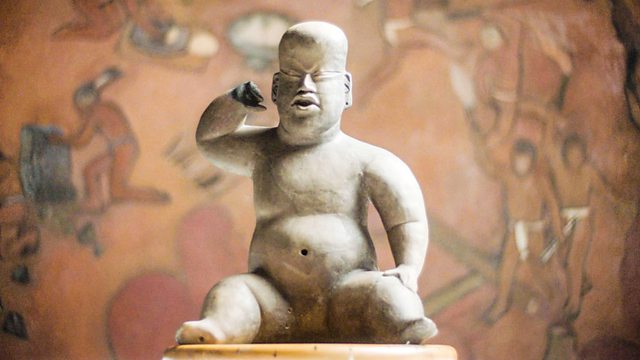
In Civilisations episode 2, Professor Mary Beard explores images of the human body in ancient art, from Mexico and Greece to Egypt and China. Mary seeks answers to fundamental questions at the heart of ideas about civilisations. Why have human beings always made art about themselves? What were these images for? And in what ways do some ancient conventions of representing the body still affect us now? In raising these questions, Mary explores how the way we look can influence our ideas of what is civilised.     The colossal prehistoric Olmec heads in Mexico set the scene. In a

Civilisations episode 2 – How Do We Look? Read More »

French Revolution

The French Revolution: Tearing up History

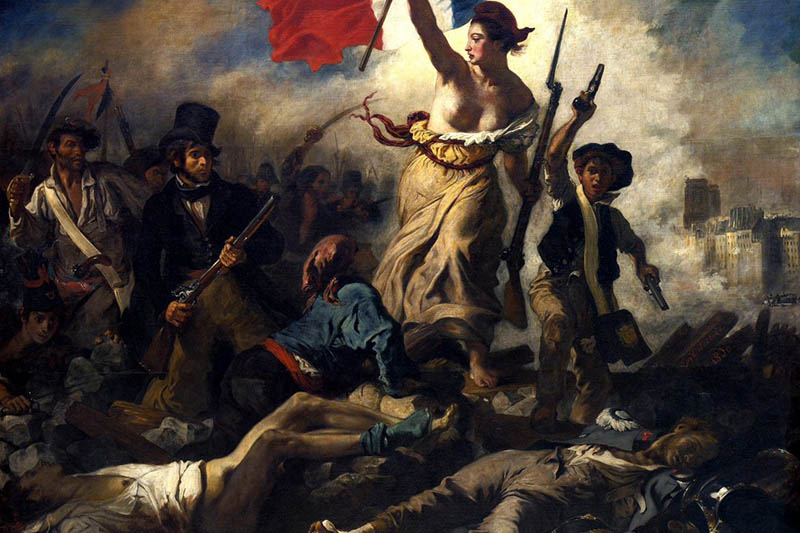
A journey through the dramatic and destructive years of the French Revolution, telling its history in a way not seen before – through the extraordinary story of its art. Our guide through this turbulent decade is the constantly surprising Dr Richard Clay, an art historian who has spent his life decoding the symbols of power and authority.     Dr Clay has always been fascinated by vandalism and iconoclasm, and believes much of the untold story of the French Revolution can be discovered through the stories of great moments of destruction. Who were the stone masons in the crowd outside

The French Revolution: Tearing up History Read More »

Egyptian Old Kingdom

Death on the Nile

Professor Fekri Hassan attempts to determine why the Egyptian Old Kingdom, the civilisation of the great pyramids, collapsed around 2200 BC. Can science show that terrible forces of nature were to blame – even driving people to cannibalism?     Clues come from the remote deserts of southern Egypt, the glaciers of Iceland and a dramatic and unique archaeological find in the Nile delta. Scientists gather for a new series attempting to explain the dis-appearance of ancient civilisations. This first investigates the abrupt end of the Old Kingdom of Egypt, 4,200 years ago. Conventional wisdom cites a political struggle. Professor

Death on the Nile Read More »

Scroll to Top