astronomy

Super Telescope: Mission to the Edge of the Universe

Super Telescope: Mission to the Edge of the Universe

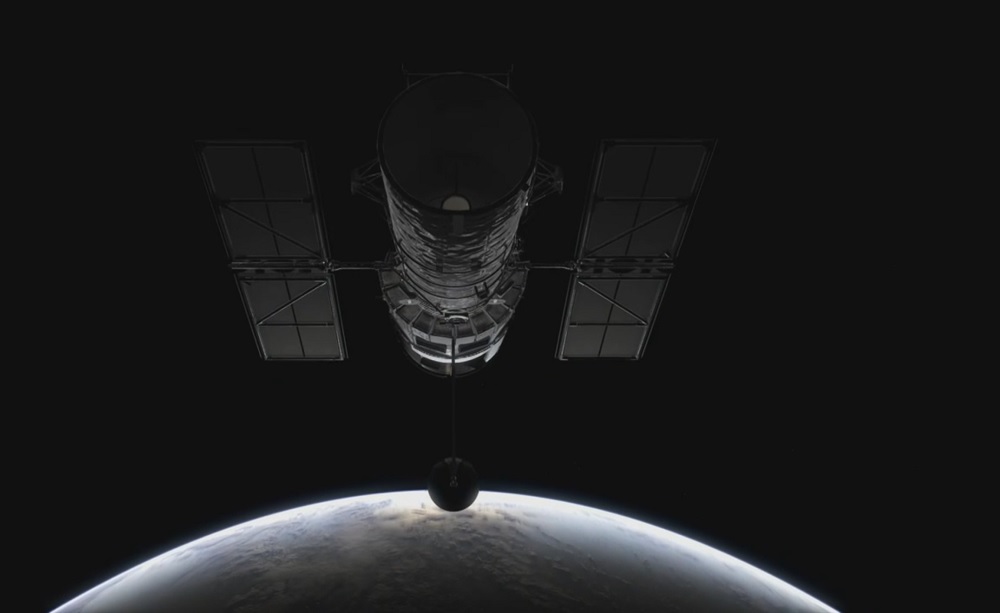
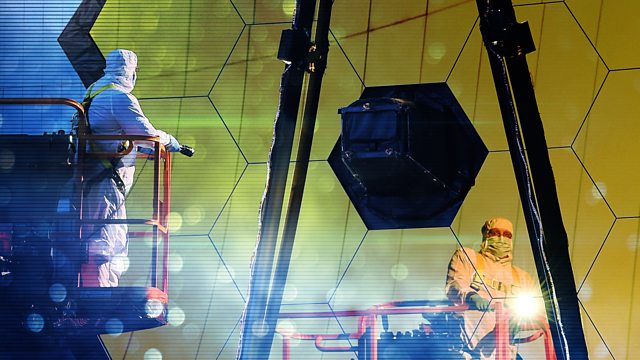
Super Telescope: Mission to the Edge of the Universe – As Nasa releases the first images from the James Webb Space Telescope, this film tells the inside story of the telescope’s construction and the astronomers taking its first picture of distant stars and galaxies. Will it be the deepest image of our universe ever taken?     The successor to Hubble, and 100 times more powerful, the James Webb is the most technically advanced telescope ever built. It will look further back in time than Hubble to an era around 200 million years after the Big Bang, when the first […]

Super Telescope: Mission to the Edge of the Universe Read More »


Seven Ages of Starlight

Seven Ages of Starlight

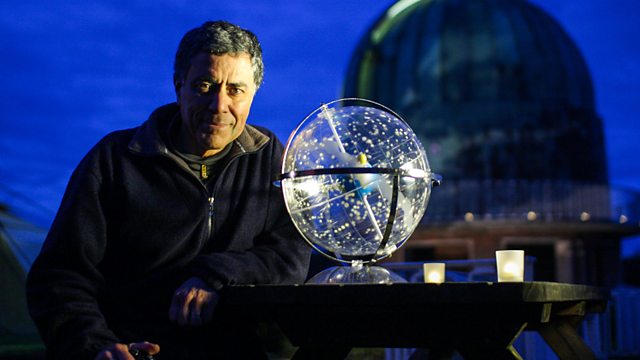
Seven Ages of Starlight: This is the epic story of the stars, and how discovering their tale has transformed our own understanding of the universe. Once we thought the sun and stars were gods and giants. Now we know, in a way, our instincts were right. The stars do all have their own characters, histories and role in the cosmos. Not least, they played a vital part in creating us.       There are old, bloated red giants, capable of gobbling up planets in their orbit, explosive deaths – supernovae – that forge the building blocks of life and

Seven Ages of Starlight Read More »

The Sky at Night - The Forgotten Solar System

The Sky at Night – The Forgotten Solar System

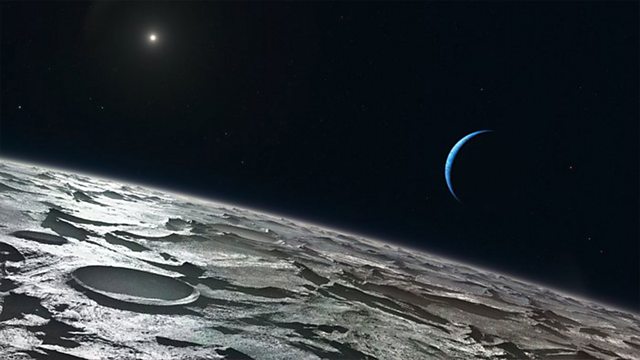
The Sky at Night – The Forgotten Solar System: Of the 100 probes that have been sent out into space, only one probe – Voyager 2 in 1989 – has ever sent back any information about the solar system’s outer planets. From afar, they seem featureless and devoid of any significant geological activity.     Since then, long-range telescopes have shown that there is much more to Neptune and Uranus than previously thought and that they both warrant closer inspection. Time, however, is of the essence. Deep-space missions are dependent on Jupiter. The slingshot effect it provides to move probes

The Sky at Night – The Forgotten Solar System Read More »


Building: The Ultimate Telescope

Building: The Ultimate Telescope

Building: The Ultimate Telescope – On a high plateau in a remote desert in northern Chile lies the largest observatory on Earth, ALMA, or Atacama Large Millimeter/Submillimeter Array. The name refers to a network of 66 massive radio telescopes, working in unison to observe the birth and death of stars and planets, and answer centuries-old questions about the origins of our universe.     Witness the history of ALMA, the remarkable product of a 20-year global effort, and see how it is already changing our basic understanding of the cosmos, and astronomy itself.   Building: The Ultimate Telescope   The

Building: The Ultimate Telescope Read More »

Dark Secrets of the Solar System

Dark Secrets of the Solar System

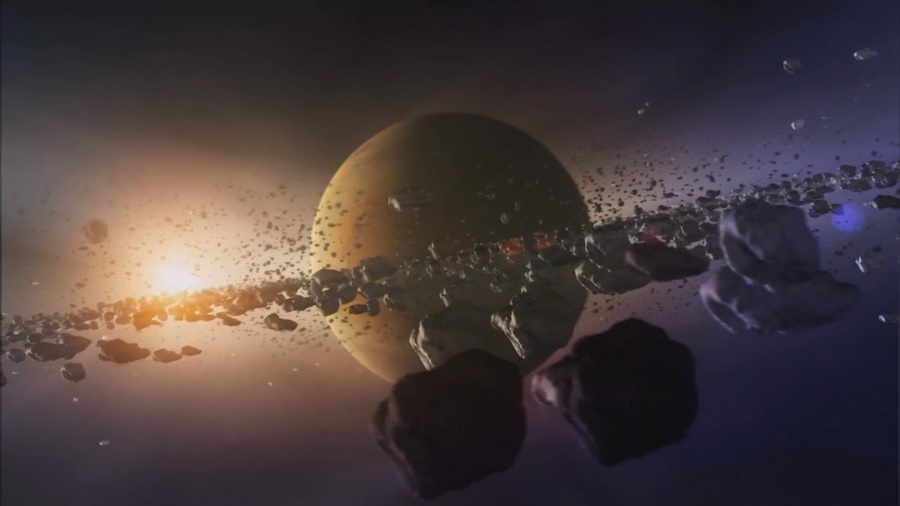
Dark Secrets of the Solar System: New evidence is rewriting the history of our solar system, and using the latest discoveries and cutting-edge tech, experts are investigating if our cosmic neighborhood once featured oversized alien Earths and a second Sun.     For most of history, humanity did not recognize or understand the concept of the Solar System. Most people up to the Late Middle Ages–Renaissance believed Earth to be stationary at the centre of the universe and categorically different from the divine or ethereal objects that moved through the sky. Although the Greek philosopher Aristarchus of Samos had speculated

Dark Secrets of the Solar System Read More »


Stars

Stars

For as long as humans have walked the Earth, the stars have fascinated us. But we have come a long way since the earliest days of astronomy when we had nothing but our eyes to observe the night sky. Since then we have designed an arsenal of ingenious machines to help us unlock the secrets of the stars – from how they work and move around the Universe to how they live and die.     For more than 60 years, the Sky at Night has covered every major development in our understanding of the stars, and regular Sky at

Stars Read More »

Sky at Night - Is Cosmology in Crisis

The Sky at Night – Is Cosmology in Crisis ? episode 2 2019

The Sky at Night – Is Cosmology in Crisis ? episode 2 2019: ever since we discovered that distant galaxies are racing away from us, there has been a heated debate over just how fast the Universe is expanding. At the beginning of the 21st century, we thought we knew the answer. But now, two very different viewpoints have emerged. And they are dividing the scientific community.     The Sky at Night meets leading astronomers and cosmologists on both sides of the debate. Which team has the right answer? Or could both teams be right? If so, we may

The Sky at Night – Is Cosmology in Crisis ? episode 2 2019 Read More »


Pluto and Beyond

Pluto and Beyond

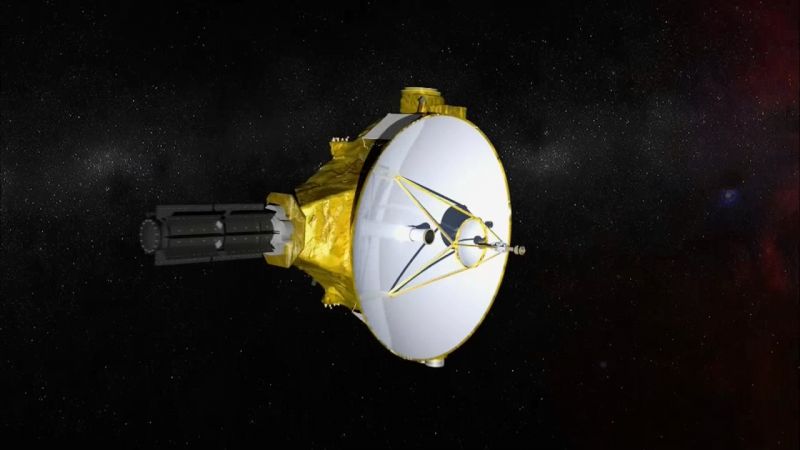
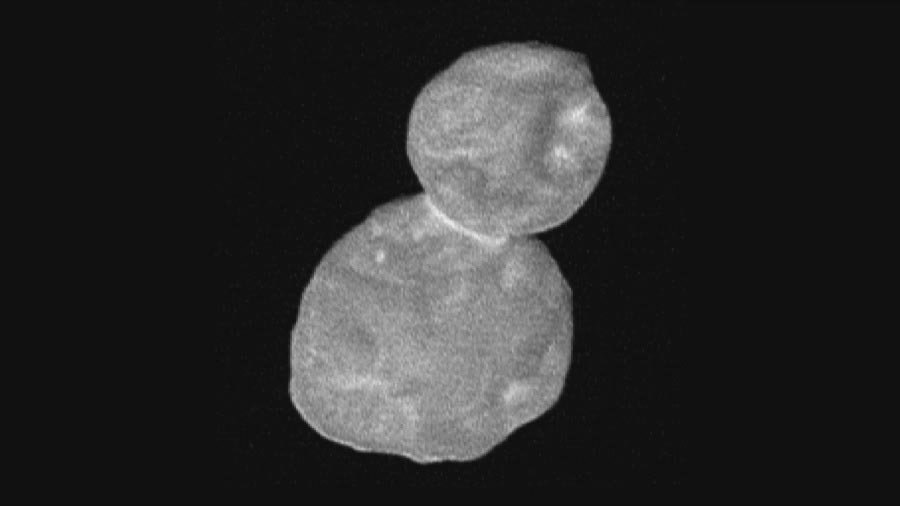
In Pluto and Beyond: the New Horizons spacecraft attempts to fly by a mysterious object known as Ultima Thule, believed to be a primordial building block of the solar system. Three years after taking the first spectacular photos of Pluto, New Horizons is four billion miles from Earth, trying to achieve the most distant flyby in NASA’s history. If successful, it will shed light on one of the least understood regions of our solar system: the Kuiper Belt. NOVA is embedded with the New Horizons mission team, following the action in real time as they uncover the secrets of what

Pluto and Beyond Read More »

Beyond Pluto

The Sky at Night – Beyond Pluto episode 1 2019

The Sky at Night – Beyond Pluto: On 1st January 2019, Nasa’s New Horizons probe notched up another historic first: the first ever Kuiper belt fly-by. Its target was 2014 MU69, a chunk of ice and rock about four billion miles (approximately 6.4 billion kilometres) from Earth, dubbed Ultima Thule, a Latin phrase meaning a distant, unknown region. It is the most distant fly-by in history, and it is believed the data New Horizons gathers will shed new light on the solar system’s early days. Chris Lintott reports from the John Hopkins Applied Physics Laboratory in Maryland to bring the

The Sky at Night – Beyond Pluto episode 1 2019 Read More »

Neutron Stars

How the Universe Works episode 1 2019: Nightmares of Neutron Stars

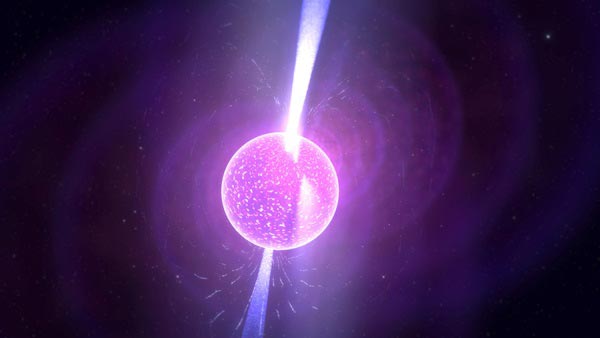
Neutron stars are strange and violent phenomena that defy the laws of physics, and new discoveries reveal that these bizarre nightmares are far more deadly than previously believed, with the power to destroy planets and even other stars.     A neutron star is the collapsed core of a giant star which before collapse had a total of between 10 and 29 solar masses. They are the smallest and densest stars, not counting hypothetical quark stars and strange stars. Neutron stars have a radius of the order of 10 kilometres (6.2 mi) and a mass lower than 2.16 solar masses.

How the Universe Works episode 1 2019: Nightmares of Neutron Stars Read More »

The Sky at Night - Expedition Asteroid

The Sky at Night – Expedition Asteroid

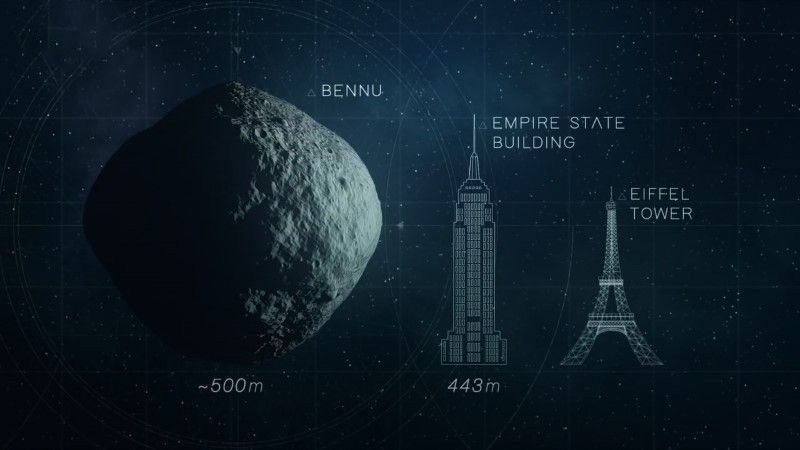
A look at two missions attempting one of the most difficult feats of space exploration – to collect a rock from another world. This episode checks in on the US and Japanese attempts to bring a piece of an asteroid back to Earth. The missions have taken decades of planning, but the results will be worth it.      We find out how studying these space rocks can teach us about the origins of our solar system and may one day help save Earth from a catastrophic collision. The Sky at Night – Expedition Asteroid Your monthly journey through

The Sky at Night – Expedition Asteroid Read More »

Return to the Moon

The Sky at Night – Return to the Moon ?

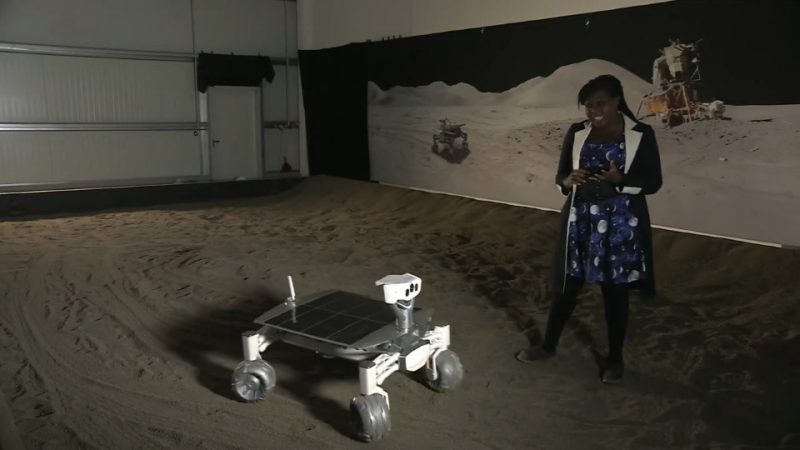
The Sky at Night – Return to the Moon ? –  Nearly 50 years ago, Neil Armstrong stepped onto the moon and it seemed like the dawn of a new age. Soon we’d be flying to the moon as effortlessly as we fly to America, and a moon base would be filled with men and women building a better future out in space. But then the moon fell out of fashion. We soon realized it was brutally inhospitable and getting there was eye-wateringly expensive.     Rather than spend huge sums of money going where we’d already been, Mars and

The Sky at Night – Return to the Moon ? Read More »

Scroll to Top