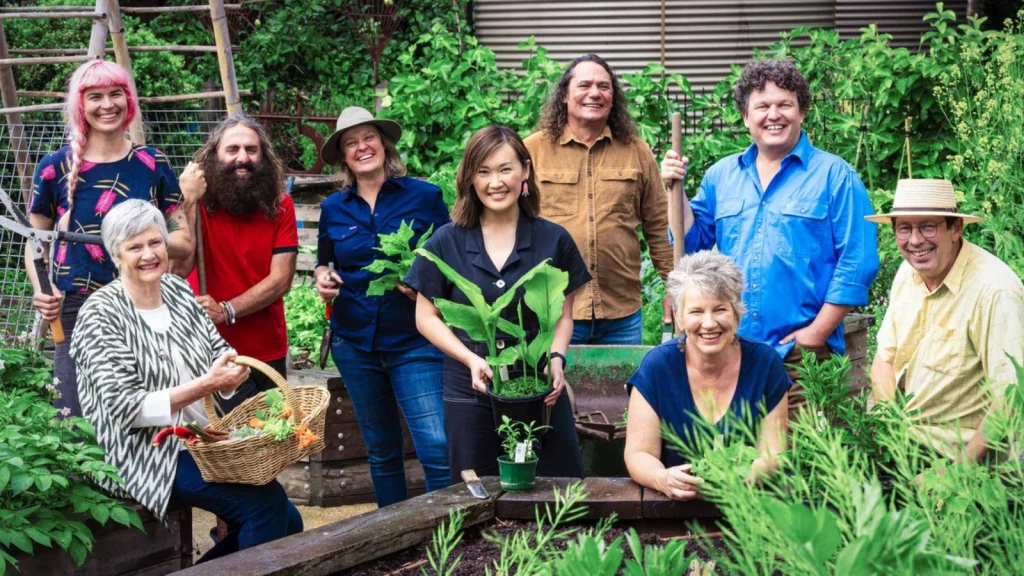
Gardening Australia 2026 Episode 6 arrives with one of its most varied and ambitious instalments yet, weaving together five richly distinct stories that span the breadth of Australian horticultural practice. From the fertile coastal soils of Queensland to the experimental urban landscapes of Adelaide, this episode captures something essential about the way Australians are reimagining their relationship with the land. Whether the focus falls on the science of soil biology, the art of plant propagation, or the politics of public green space, the programme consistently returns to a single animating conviction: that gardening is never merely decorative. It is, at its most purposeful, a form of inquiry.
The episode’s timing is significant. Autumn in Australia brings a particular urgency to the vegetable garden, a moment when the summer’s excesses give way to a cooler, more deliberate season of planting. For gardeners across the country, this transitional period is when decisions made in the soil will determine the harvest months ahead. Gardening Australia has long understood this seasonal rhythm, and Episode 6 honours it by opening with a segment that goes far beyond conventional growing advice, placing organic practice within a rigorous scientific framework that will challenge even experienced growers.
At the same time, the episode branches confidently into garden design, native plant advocacy, and the fast-growing movement to bring genuine ecological thinking into urban spaces. Australian gardening, as portrayed here, is no longer a pursuit defined by neatly edged lawns and familiar exotics. It is increasingly shaped by ecological literacy, a willingness to work with native plants, and a scepticism towards the chemical inputs that once dominated horticultural practice. These themes recur across all five segments, giving the episode a coherence that transcends its variety.
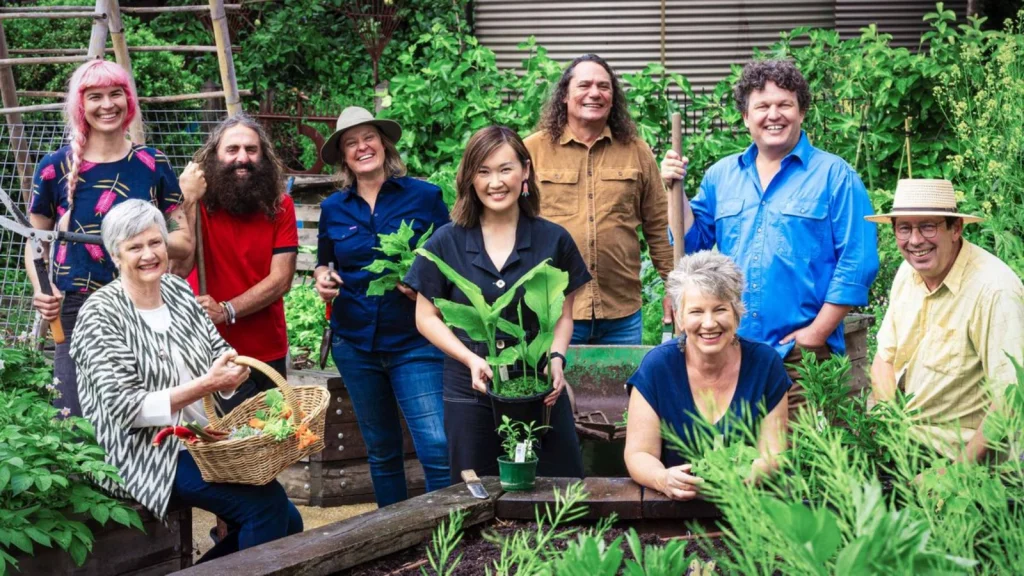
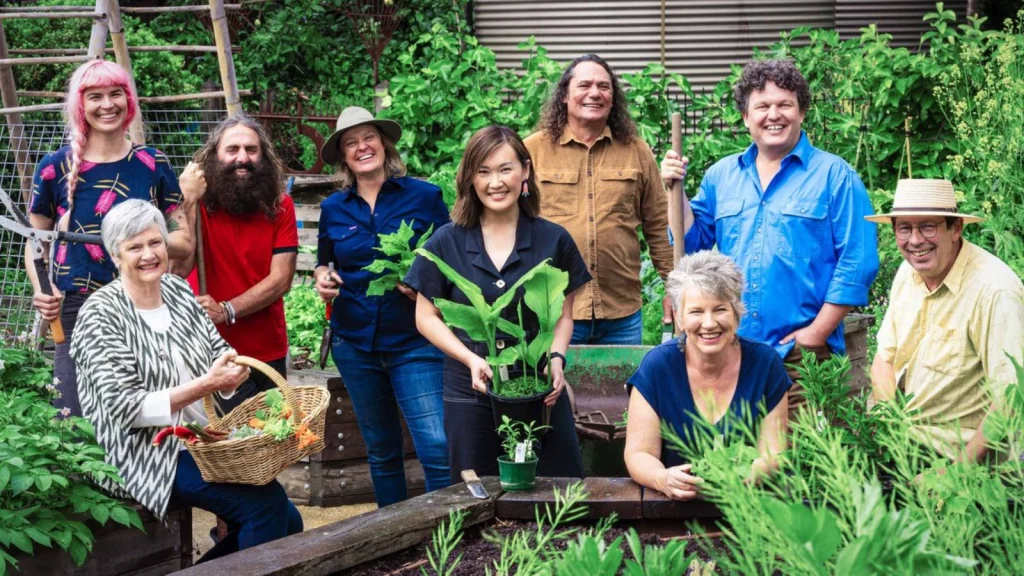
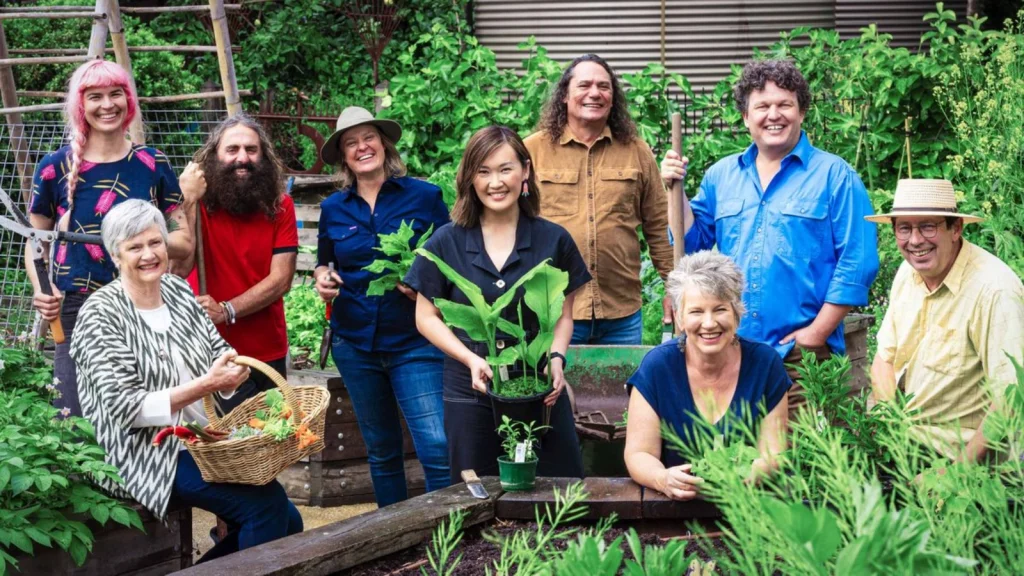
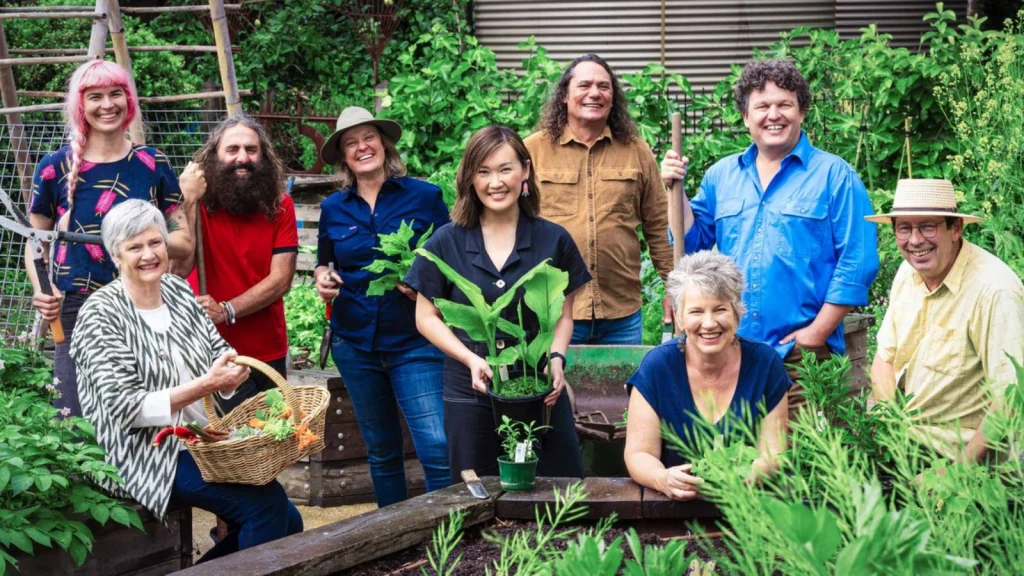
The presenters bring their established voices to each story with characteristic authority. Costa Georgiadis, whose enthusiasm for the natural world is well documented, travels to meet a scientist whose work on organic vegetable growing offers a compelling vision of what post-chemical horticulture can achieve. Clarence Slockee, a respected voice on indigenous and ornamental plants, demonstrates the propagation of a stunning ornamental ginger that few Australian gardeners have worked with. Josh Byrne investigates a coastal garden whose design ingenuity meets the particular demands of salt air and shifting sand. Jerry Coleby-Williams explores an education centre dedicated entirely to native plants, while Millie Ross visits an urban grassland garden that is rewriting assumptions about what a suburban block can become.
These five stories, distinct in location and subject, collectively illuminate the state of gardening in Australia in 2026. Each segment builds on the others, creating a composite portrait of a gardening culture in confident, creative transition. The science connects to the design; the design connects to the ecology; the ecology connects to education; and education, ultimately, connects back to the individual gardener standing in their own patch of ground. Gardening Australia 2026 Episode 6 makes that chain of connection feel both urgent and genuinely exciting.
The episode also reflects a broader cultural moment in which gardening shows have moved decisively away from the prescriptive tutorial format. Rather than simply instructing viewers in technique, the programme situates each practical skill within a larger context — environmental, social, and scientific. This shift makes the viewing experience richer, and it reflects the increasingly sophisticated audience that Australian gardening television now serves. Garden design, once a topic confined to professionals, appears here as something every thoughtful gardener can engage with. Native plants, once treated as a specialised interest, emerge as a central concern for anyone serious about sustainable growing.
What distinguishes this particular episode is the depth at which it engages with each subject. The organic vegetable segment, for instance, does not simply advocate for reduced pesticide use. It goes inside the science of soil microbiology, asking viewers to understand what is actually happening beneath the surface of their vegetable beds. Similarly, the urban grassland segment does not merely celebrate an unusual garden. It interrogates the assumptions that define residential outdoor space and proposes a genuinely alternative model. These are not feel-good stories about nice gardens. They are arguments, carefully made and persuasively presented.
The result is an episode that rewards attentive watching, one that will send many viewers back to their own gardens with new questions and refreshed ambitions. The diversity of the five segments ensures that something here will speak directly to almost every Australian gardener, regardless of their experience, their climate, or the size of their patch. From backyard vegetable growers to professional designers, from native plant enthusiasts to urban experimenters, Gardening Australia 2026 Episode 6 covers the full spectrum of what contemporary Australian horticulture looks like in practice.
Gardening Australia 2026 Episode 6
Gardening Australia 2026 Episode 6 and the Science of Organic Vegetable Growing
Costa Georgiadis visits Mel Simpson, a scientist and passionate organic vegetable grower based in south-east Queensland, whose approach to the autumn vegetable patch begins not with seeds or seedlings but with an understanding of soil as a living system. Simpson’s property is immediately striking — a productive, abundant vegetable garden that she manages entirely without synthetic chemicals. Her central argument, and the one that drives the entire segment, is that healthy soil biology is not merely beneficial to plant growth; it is the mechanism by which organic growing actually works.
Simpson explains that soil teems with microbial life — bacteria, fungi, nematodes, and a host of other organisms — that collectively perform the nutrient cycling that plants depend upon. When synthetic fertilisers are applied heavily over time, they bypass this biological system, effectively making it redundant. The soil organisms responsible for breaking down organic matter and releasing nutrients in plant-available forms are gradually suppressed, leaving the gardener ever more dependent on external chemical inputs. Organic growing, by contrast, works with this biology, feeding the system rather than substituting for it.
The practical implications of this philosophy are visible throughout Simpson’s garden. She uses compost as her primary soil amendment, not simply as a source of nutrients but as a vehicle for introducing and sustaining microbial populations. She maintains permanent raised beds to avoid compaction, which can damage soil structure and reduce the air and water movement that soil organisms require. Her crop rotation is designed not only to interrupt pest and disease cycles but to ensure that different plant families make different biological demands on the soil, preventing the depletion that monoculture accelerates. This is Australian gardening as applied ecology, with each decision traceable back to an understanding of what is happening at the microbial scale.
Costa and Simpson also discuss the importance of organic mulch in an autumn vegetable garden. As temperatures cool, the risk of soil moisture loss diminishes, but the biological activity in the soil continues, and mulch plays a critical role in maintaining the conditions — moisture, temperature stability, and the steady supply of decomposing organic matter — that sustain it. Simpson recommends thick applications of straw or sugarcane mulch, kept clear of plant stems, as a non-negotiable element of the productive organic patch.
Propagating Ornamental Ginger: Clarence Slockee’s Step-by-Step Method
Clarence Slockee’s segment shifts the episode from the vegetable garden to the ornamental border, focusing on a plant that is both visually spectacular and surprisingly amenable to home propagation. The ornamental ginger in question — a bold, tropical-looking species with striking foliage and vivid flower bracts — is introduced as a plant that many Australian gardeners admire but relatively few have attempted to propagate themselves. Clarence’s goal is to demystify the process, making it accessible to the home gardener rather than the specialist.
The propagation method Clarence demonstrates begins with the selection of a healthy rhizome from an established clump. He explains that timing is important: autumn, when the plant’s active growth is slowing, is an appropriate moment to divide and replant, giving the new division time to establish before the demands of the following growing season. The rhizome section should include at least one healthy growing point, or eye, and a reasonable portion of the fibrous root system. Clarence trims back the foliage significantly at this stage, reducing the water loss that would otherwise stress the newly separated plant.
The growing medium he recommends is a free-draining mix with a high organic content — a blend of quality potting mix and compost that will retain sufficient moisture without becoming waterlogged. Ornamental gingers, he notes, originate in environments where rainfall is plentiful but drainage is good, and this natural habitat preference should guide the preparation of both container and in-ground planting positions. In the garden, he suggests a sheltered spot with dappled light, protected from the desiccating winds that can damage the broad, tropical foliage. For Australian gardening in subtropical and tropical climates, this plant is particularly well suited, thriving in the conditions that gardeners in those regions naturally provide.
Clarence also highlights the reward that patience with this plant delivers. Once established, ornamental ginger forms large, impressive clumps that require minimal maintenance and provide striking structural interest across multiple seasons. The propagation process, though not instantaneous, connects the gardener directly to the plant’s biology in a way that purchasing a pot-grown specimen never can.
Josh Byrne and Coastal Garden Design in Gardening Australia 2026 Episode 6
Josh Byrne’s segment introduces one of the most visually arresting garden designs featured in recent episodes of the programme. Located on the Western Australian coast, the garden belongs to a homeowner who faced a set of challenges familiar to anyone gardening near the sea: salt-laden winds, sandy soils with poor water retention, high light intensity, and the visual and structural demands of a coastal setting. The solution the garden’s designer has arrived at is remarkable in its clarity and its ecological intelligence.
The design is built around a framework of tough, wind-tolerant coastal plants that create the microclimatic shelter necessary for more delicate species to thrive. This layered approach — structural plants on the windward margins, more varied planting within the protected interior — is a well-established principle of coastal garden design, but it is executed here with an aesthetic confidence that elevates it well beyond the functional. Native plants feature prominently, their natural adaptations to coastal conditions making them both the logical and the beautiful choice.
Josh examines specific plant selections with characteristic rigour. Coastal banksias, with their deep root systems and tolerance of saline conditions, form part of the windbreak planting. Groundcovers selected for their prostrate growth habit reduce wind resistance while stabilising the sandy soil surface. The designer has also incorporated a number of grey and silver-foliaged plants, whose reflective leaf surfaces reduce heat absorption — a practical response to the intense coastal light that also contributes a distinctive tonal quality to the planting palette.
Water management in this garden reflects the same intelligent thinking. The sandy soil’s poor water-holding capacity is addressed through the incorporation of water-retentive organic matter at planting and through targeted drip irrigation that delivers water directly to root zones rather than broadcasting it across the surface. This approach reduces evaporation losses significantly, an important consideration in the water-scarce coastal environments of Western Australia. The garden’s overall approach to diy gardening principles — working with site conditions rather than against them — offers a model that gardeners in comparable coastal situations across Australia could readily adapt.
Jerry Coleby-Williams Visits a Native Plant Education Centre
Jerry Coleby-Williams travels to an education centre whose entire programme is dedicated to Australian native plants — their ecology, their cultivation, and their role in sustaining the broader environmental systems on which human and non-human life depends. The centre operates as both a demonstration garden and a teaching facility, drawing visitors from schools, community groups, and the wider public. For Jerry, whose commitment to ecological gardening is well established, this segment offers a natural home.
The centre’s planting is designed to illustrate the diversity of Australian native flora, with different sections representing the characteristic plant communities of distinct bioregions. Visitors move through plantings that evoke the dry sclerophyll woodlands of inland areas, the coastal heathlands rich in proteaceous shrubs, and the subtropical rainforest margins where ferns and epiphytes create densely layered environments. This bioregional approach to display planting is unusual and ambitious, and it gives the centre an educational depth that a simple collection of individual species could never achieve.
Jerry speaks with the centre’s staff about the challenges and rewards of growing native plants in a formal educational setting. One issue that arises repeatedly is the need to balance the ecological authenticity of the plantings with the practical demands of public access — paths, signage, and the management of plant communities that, left entirely to their own devices, would quickly exceed the boundaries of their designated areas. The staff describe a gentle, ongoing process of editing and intervention that guides the plantings towards their educational purpose without stripping them of their essential character.
The segment also addresses the specific value of native plants as habitat. The centre’s garden supports a remarkable diversity of bird and insect life, drawn by the nectar, pollen, seed, and shelter that native plants provide in ways that exotic ornamentals typically cannot match. For Jerry, this ecological function is not incidental to the garden’s beauty — it is integral to it. A garden humming with honeyeaters and native bees is, in his view, a garden that has achieved something genuinely important. These native plants demonstrate, in concentrated form, what Australian gardening can aspire to when it takes its ecological responsibilities seriously.
Millie Ross and the Urban Grassland Garden
Millie Ross’s segment is, in some respects, the most provocative of the episode. She visits a garden in Adelaide that defies almost every conventional expectation of what a residential outdoor space should look like. The property’s owner has replaced the standard suburban garden — lawn, garden beds, paved entertaining area — with something that more closely resembles a temperate grassland. The result is simultaneously wild and managed, ecological and intentional, deeply unusual and, once you understand its logic, entirely persuasive.
The garden’s central feature is a dense, flowing planting of native grasses and grassland forbs — herbaceous plants that would naturally grow in association with grasses in a pre-European Australian landscape. These include a range of native daisies, lilies, and ground-layer plants that create a seasonally changing tapestry of texture and colour. In autumn, as the episode captures, the grasses are moving into their most visually dramatic phase, with seed heads catching the light and the overall effect shifting from the lush green of summer to the warm, amber-toned richness of the dry season.
Millie speaks with the garden’s owner about the practical management of this unconventional space. One of the most common objections to grassland-style planting in residential settings is the perception that it requires significant maintenance or looks untidy. The reality here is quite different. The native grasses and forbs that make up the bulk of the planting are, by their nature, adapted to the Australian climate — tolerant of dry periods, undemanding in terms of fertiliser, and capable of regenerating naturally after the periodic cutting that the garden does require. The owner describes an annual regime of cutting back in late winter or early spring, after which the garden regenerates vigorously from its established root systems.
The ecological credentials of this approach to garden design are significant. Native grasslands are among the most threatened ecosystems in southern Australia, having been largely cleared for agriculture and urban development. A residential garden that recreates elements of this ecosystem is, in a small but meaningful way, contributing to its conservation. The garden supports an impressive range of invertebrates — beetles, bugs, native bees, and butterflies — whose habitat requirements the grassland planting meets in ways that a conventional garden could not. This is diy gardening at its most ecologically ambitious.
Gardening Australia 2026 Episode 6 and the Principles of Autumn Planting
Across several of the episode’s segments, autumn emerges as a pivotal season in the Australian gardening calendar — one that rewards careful attention and punishes neglect. The shift from summer to autumn changes the conditions in the garden in ways that touch every aspect of growing, from soil temperature and moisture levels to the pest and disease pressures that affect both vegetables and ornamentals. Several of the episode’s contributors offer specific guidance on how to manage this transition effectively.
In the vegetable garden, as Mel Simpson’s segment makes clear, autumn is the ideal moment to begin building soil health for the season ahead. Incorporating compost, establishing mulch layers, and setting up the crop rotation that will structure the next several months of growing are all tasks best undertaken before the cool-season planting window begins. For Australian gardening in subtropical and tropical climates, autumn also brings relief from the extreme heat that can make summer vegetable growing so challenging, opening up the possibility of a far wider range of crops.
For ornamental plants, autumn propagation — as Clarence’s ginger segment demonstrates — takes advantage of the plant’s natural physiological rhythms, working with the seasonal slowdown in active growth rather than against it. The timing is more than merely convenient; it reflects a genuine understanding of how plants allocate energy across the year, and using that understanding to guide propagation decisions is one of the skills that distinguishes an informed gardener from one who operates by habit alone.
The coastal garden segment reinforces these themes of seasonal intelligence, showing how a garden designed with genuine site-awareness reduces the management burden that autumn transitions can otherwise impose. Native plants, whose deep adaptations to Australian conditions include tolerance of seasonal extremes, require far less intervention at this time of year than the exotic species they might replace. This is one of the consistent arguments running through Gardening Australia 2026 Episode 6 — that working with the ecology of a site, rather than imposing an imported aesthetic upon it, produces gardens that are not merely more sustainable but more genuinely rewarding to tend.
Gardening Australia 2026 Episode 6: Design, Ecology, and the Future of Australian Gardens
The final thread that binds this episode together is an implicit argument about the direction in which Australian gardening is moving — and the direction in which it ought to move. All five segments, in their different ways, point towards a model of gardening that is ecologically literate, scientifically informed, and willing to challenge received assumptions about what a garden should look like or how it should function.
The organic vegetable garden challenges the chemical dependency that became standard practice in the twentieth century. The ornamental ginger propagation challenge confronts the assumption that striking, exotic-looking plants are beyond the competence of the average home gardener. The coastal garden design challenges the idea that difficult sites require the suppression of local ecology rather than its celebration. The native plant education centre challenges the marginalisation of indigenous flora from mainstream horticultural practice. And the urban grassland challenges, most radically of all, the very notion of what a residential garden is for.
Together, these challenges amount to something larger than any individual segment: a vision of Australian gardening that is confident, curious, and deeply connected to the extraordinary ecosystems within which Australian gardens are embedded. The programme does not present this vision polemically. It demonstrates it, through the work of real people in real gardens, with real plants and real soil. That grounded, practical quality is what makes Gardening Australia endure as a programme, and it is what makes Gardening Australia 2026 Episode 6 a particularly compelling hour of television for anyone serious about gardening in this country.
The native plants featured across the episode are not simply alternatives to exotic ornamentals. They are arguments, expressed in root and leaf and flower, for a different way of thinking about the land. The diy gardening approaches shown in each segment are not merely money-saving strategies. They are expressions of a relationship between gardener and garden that is active, attentive, and genuinely reciprocal. And the science, whether it concerns soil biology or coastal hydrology or grassland ecology, is not decoration. It is the foundation on which everything else rests.
FAQ Gardening Australia 2026 Episode 6
Q: What topics does Gardening Australia 2026 Episode 6 cover?
A: Gardening Australia 2026 Episode 6 features five distinct segments. Costa visits an organic vegetable scientist in Queensland. Clarence demonstrates ornamental ginger propagation. Josh explores a creative coastal garden design. Jerry visits a native plant education centre. Additionally, Millie tours an urban grassland garden in Adelaide.
Q: What does the organic vegetable segment in Gardening Australia 2026 Episode 6 teach about soil health?
A: Costa visits scientist Mel Simpson, who explains that healthy soil biology drives organic growing. Soil bacteria, fungi, and nematodes cycle nutrients naturally. However, heavy synthetic fertiliser use suppresses these organisms over time. Simpson recommends compost, permanent raised beds, and crop rotation to sustain microbial populations and reduce chemical dependency.
Q: Why is autumn considered an important season for Australian gardening?
A: Autumn is a pivotal transition period in Australian gardening. Cooler temperatures reduce heat stress on plants and soil. Furthermore, this season is ideal for building soil health through compost incorporation and mulching. In subtropical climates, autumn also opens the growing window for a wider range of cool-season vegetables.
Q: How does Clarence Slockee propagate ornamental ginger at home?
A: Clarence selects a healthy rhizome section containing at least one growing point. He trims foliage back significantly to reduce water loss. He then plants the division into a free-draining, compost-rich mix. Additionally, he recommends a sheltered position with dappled light. Autumn timing works with the plant’s natural growth cycle, improving establishment success.
Q: What makes the coastal garden design featured in Gardening Australia 2026 Episode 6 effective?
A: Josh Byrne examines a Western Australian coastal garden that uses layered planting to create wind shelter. Tough native plants form the outer windbreak, protecting more varied species within. Grey and silver-foliaged plants reduce heat absorption in intense coastal light. Furthermore, targeted drip irrigation addresses the sandy soil’s poor water retention efficiently.
Q: What role do native plants play in the education centre Jerry visits?
A: The centre uses native plants to represent distinct Australian bioregional plant communities. Sections evoke dry sclerophyll woodland, coastal heathland, and subtropical rainforest margins. Additionally, the plantings actively support birds, native bees, and insects through nectar, pollen, and shelter. Jerry highlights that this ecological function is inseparable from the garden’s educational and aesthetic value.
Q: What is an urban grassland garden and how is it maintained?
A: An urban grassland garden replaces conventional lawn and garden beds with native grasses and grassland forbs. Millie visits an Adelaide example featuring native daisies, lilies, and ground-layer plants. Maintenance is minimal compared to traditional gardens. The owner cuts the planting back once annually in late winter. Subsequently, the garden regenerates vigorously from established root systems without additional fertiliser.
Q: How does an urban grassland garden support local biodiversity?
A: Native grassland planting provides habitat for beetles, native bees, butterflies, and other invertebrates. These species depend on the specific plants, seed heads, and sheltered microclimates that grassland gardens create. Furthermore, temperate grasslands are among Australia’s most threatened ecosystems. A residential garden recreating this habitat therefore contributes meaningfully to broader conservation efforts at a local scale.
Q: What organic mulching approach does Mel Simpson recommend for the autumn vegetable patch?
A: Simpson recommends applying thick layers of straw or sugarcane mulch across vegetable beds in autumn. Mulch maintains soil moisture and stabilises temperature as conditions cool. It also supplies decomposing organic matter that sustains microbial activity through winter. However, she advises keeping mulch clear of plant stems to prevent rot and allow adequate air circulation around the base.
Q: What broader gardening philosophy does Gardening Australia 2026 Episode 6 promote?
A: The episode consistently advocates working with a site’s ecology rather than imposing imported aesthetics upon it. Native plants, organic soil management, and ecologically intelligent garden design all reflect this approach. Furthermore, each segment demonstrates that sustainable DIY gardening produces gardens that are lower maintenance and richer in biodiversity. The underlying message is that ecological literacy makes every gardener more effective and more connected to the land.