Wainwright Walks episode 5: Wainwright, Bradbury, and the Helvellyn Challenge
The enduring legacy of Alfred Wainwright, a reclusive accountant turned fell-walking icon, continues to inspire adventurers. His meticulously crafted Pictorial Guides have beckoned generations to explore the rugged beauty of England’s Lake District. Julia Bradbury, in the series “Wainwright Walks,” steps into this tradition. Episode 5, “Helvellyn,” sees her tackle one of Lakeland’s most formidable and popular peaks. This particular installment documents her ascent of Helvellyn via the notorious Striding Edge. The journey promises not just a physical challenge but also a deep dive into the landscape that so captivated Wainwright. Indeed, the episode’s premise hinges on Bradbury experiencing the mountain much as Wainwright did on his first encounter: under the veil of descending cloud and rain.
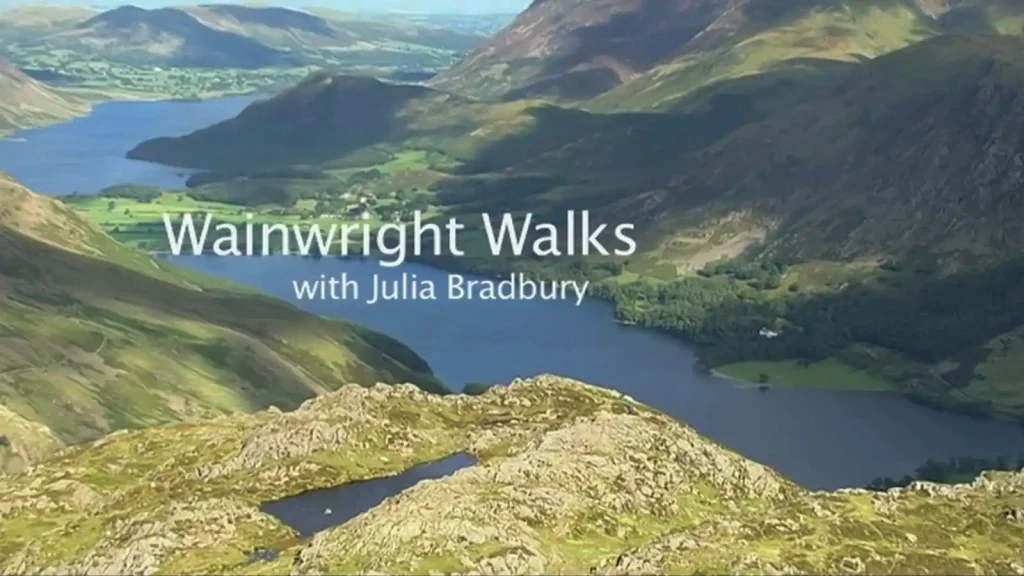
The documentary opens by establishing the profound connection between Wainwright and the Lake District. Ullswater, the second largest lake, serves as Bradbury’s starting point. This location is significant. It was here that Wainwright’s own 13-year mission to chart every peak in the region began. His pocket-sized guides, filled with distinctive hand-drawn maps and prose, have become synonymous with Lakeland exploration for over half a century. Bradbury, armed with these guides, aims to conquer Helvellyn, England’s third-highest peak at 3,118 feet. More specifically, her route includes Striding Edge, a ridge Wainwright himself described as the “finest in Lakeland.” The mountain’s popularity is undeniable; as Wainwright noted, it is an ambition for many tourists who do not normally climb.
Bradbury’s journey mirrors Wainwright’s initial 1930 visit. He, too, arrived at Ullswater as a newcomer to the Lakes, determined to tackle Helvellyn. The documentary artfully contrasts the stunning beauty of the Ullswater valley on a clear day with the more challenging conditions Bradbury anticipates and eventually encounters. From the southern tip of Ullswater, Helvellyn appears a distant, formidable target. The initial gentle rambling soon gives way to the understanding that the Lakeland fells, despite their beauty, can be hazardous. This is particularly true of Helvellyn.
Before embarking on the perilous Striding Edge, Bradbury wisely consults Dave Freeborn. He heads the Patterdale Mountain Rescue team. This team frequently serves the thousands who tackle Helvellyn annually. Freeborn’s insights are sobering. He confirms that falls from Striding Edge can result in serious trauma or death. Winter conditions add further dangers, with snow cornices creating hidden pitfalls. He recounts instances of fatalities due to walkers unknowingly stepping onto these unstable overhangs.
However, Freeborn also emphasizes that the ridge is a “very good mountaineering walk,” not merely a scramble, and an achievable goal for the well-prepared. His team often deals with “cragfast” individuals, those frozen by fear, requiring careful rescue. This segment underscores the serious nature of the undertaking. It reinforces Wainwright’s own advice: watch where you are going.
The planned route is then detailed with an aerial overview. Starting from Patterdale village, Bradbury follows the Grisedale valley floor. The path then ascends onto more typical Lakeland terrain towards the Hole in the Wall, a key landmark. Beyond this, the dramatic combe of Helvellyn, holding Red Tarn and flanked by Striding Edge and Swirral Edge, awaits. Striding Edge itself is depicted as a jagged, rising and falling crest leading to a final steep scramble to Helvellyn’s plateau and summit.
The initial walk from St Patrick’s church in Patterdale is deceptively tranquil. The valley of Grisedale feels protected. Yet, the true summit remains hidden, a “biggie” for Bradbury. Helvellyn forms part of England’s most extensive high-ground range, a succession of peaks rarely dropping below 2,500 feet.
As Bradbury ascends Birkhouse Moor, the weather begins to turn. Clouds gather ominously, mirroring Wainwright’s first experience. She consults his guide, noting unique features like bullet-point notes on approaches and graphs plotting distance against altitude – a testament to Wainwright’s “obsessive detail.” His motivation, she explains, was simple: he believed he could create better guides than anyone else. He found Ordnance Survey maps inadequate for footpaths and aimed to surpass existing guides like Baddeley’s, which covered only 20 fells. In contrast, Wainwright detailed 14 routes up Helvellyn alone, part of his comprehensive coverage of 214 peaks. The rain sets in, prompting Bradbury to don waterproofs, a staple for any Lakeland walker.
Wainwright Walks episode 5
The Hole in the Wall truly marks a transition. It is here that Wainwright and his cousin first encountered the “clammy mist” and rain. For Bradbury, too, this spot signals a change in terrain and the loss of visibility as the summit becomes shrouded. The great bowl containing Red Tarn is obscured, and Striding Edge’s true nature remains hidden by the encroaching cloud.
This uncertainty, she admits, makes it difficult to gauge her feelings about the challenge ahead. The poor weather, however, provides an authentic Wainwright experience. He and his cousin, lacking waterproofs, pressed on under the “optimistic delusion that afflicts most fellwalkers.” Bradbury, thoroughly soaked, embraces this aspect, stating that wind, cloud, and rain are essential parts of the fellwalking experience.
The documentary cleverly uses “television magic” at this juncture. It intersperses footage of Helvellyn on a clear day, showcasing what Bradbury could be seeing. These shots highlight the dramatic eastern aspect of the mountain, which Wainwright considered its “true character,” far more interesting than the smoother, “unattractive” western slopes rising from Thirlmere. This contrast emphasizes the visual rewards typically on offer, even as Bradbury navigates the mist. She introduces her crew, including David, a local expert described as knowing the Lakes almost as well as Wainwright. His presence offers reassurance as they prepare to tackle Striding Edge in deteriorating conditions. David confirms that Wainwright faced similar weather, validating their decision to proceed cautiously.
The ascent to Striding Edge begins. David, an experienced climber, guides Bradbury, even taking a more direct, dramatic route to High Spying How, the rocky tower marking the start of the Edge. The conversation reveals David’s deep familiarity with the fells; he has crossed the ridge countless times, yet finds it different on each occasion. Bradbury expresses her comfort in having a knowledgeable partner for this challenging section. As they reach High Spying How, they step into a dense blanket of cloud. Wainwright’s words describing his own trepidation resonate powerfully: “a black tower of rock… an evil and threatening monster… We were scared. There were unseen terrors ahead.”
On Striding Edge itself, visibility is reduced to mere feet. The “appalling precipices on both sides” described by Wainwright are sensed rather than seen. This, Bradbury notes, might ironically benefit those with vertigo. The lack of other walkers, a common sight on popular routes, is attributed to the poor weather, creating a solitary experience. They pass a memorial to a huntsman, Robert Dixon, who perished there. David explains the history of foot-hunting in the fells. The ridge, about 300 yards of exposed narrow rock, demands a good head for heights. Despite the conditions, its reputation as a satisfying mountaineering achievement is clear.
A “sting in the tail” awaits at the end of the ridge: a steep, awkward descent down a crack in the rocks. Wainwright vividly described this moment, feeling and looking like “old men,” his cousin silently blaming him for their misery. For Bradbury and David, this “little climb” down, followed by the final 300-foot ascent up a steep face of rock and loose scree to Helvellyn’s summit plateau, tests fitness and stamina. The poor visibility transforms the climb into an inch-by-inch progression. Reaching the plateau brings a sense of relief.
Near the summit, they encounter another monument, this one to Charles Gough. He perished on the cliffs two centuries prior, his faithful terrier found guarding his remains. Wordsworth immortalized this tale of loyalty. The summit of Helvellyn, usually a bustling convergence point, is almost deserted. Its vast, flat expanse once even served as a makeshift runway in 1926. The summit shelter offers welcome respite from the wind. The actual summit cairn is unassuming. David describes the panoramic views normally available: Blencathra, Skiddaw, Grisedale Pike, and even Morecambe Bay. Bradbury finds a silver lining in the cloud cover: the rare experience of having the fell top almost to themselves.
The episode successfully conveys the dual nature of Helvellyn: its breathtaking beauty and its inherent dangers. Bradbury’s presentation is engaging and relatable. She balances enthusiasm with a clear respect for the mountain and Wainwright’s legacy. Her interactions with local expert David and the mountain rescue leader add depth and practical context. The integration of Wainwright’s own words, often reflecting similar challenging conditions, creates a powerful narrative link between past and present. This technique elevates the documentary beyond a simple travelogue. It becomes an exploration of perseverance, the allure of wild places, and the enduring relevance of Wainwright’s guidance.
Compared to other walking or nature documentaries, “Wainwright Walks: Helvellyn” distinguishes itself through its specific focus on the Wainwright experience. While many programs showcase stunning landscapes, this series delves into the personal connection forged by one man’s dedication to charting those landscapes. Bradbury acts as an effective conduit for this, her journey paralleling his. The program doesn’t shy away from the less glamorous aspects of fell walking, such as the unpredictable weather and physical exertion.
This authenticity is a significant strength. While the obscured views due to weather could be seen as a drawback, the program turns it into a narrative advantage, emphasizing the raw, unfiltered experience of the fells, much like Wainwright himself often encountered. The societal impact lies in its potential to inspire a deeper appreciation for the UK’s natural heritage and for the spirit of exploration.
It encourages viewers to perhaps step out of their comfort zones, armed with knowledge and respect for the environment. The program subtly champions preparedness and the value of local expertise, vital messages for anyone venturing into challenging terrain. It is a testament to the idea that the journey, with all its imperfections, can be as rewarding as a clear view from the summit.
The episode concludes with Bradbury acknowledging a significant fell-walking achievement. She notes the common question in local bed and breakfasts: “Have you done Helvellyn and Striding Edge?” Now, she can answer yes. Yet, she also recognizes the need to return one day to witness the magnificent views obscured by the mist. Her final exchange with David, where he calls it a “rehearsal,” and her own sentiment of having enjoyed the day in its “own unique way,” encapsulates the spirit of the walk. It highlights that even in adverse conditions, the experience holds intrinsic value. The raw encounter with the mountain, stripped of its picturesque facade, offers a different kind of reward.
The Misty Summit: A Journey of Substance
Julia Bradbury’s ascent of Helvellyn via Striding Edge embodies the true essence of fell walking. Her journey, shrouded in mist and rain, mirrors Alfred Wainwright’s first encounter with this formidable peak decades earlier. This parallel experience creates a powerful bridge between past and present adventurers.
The documentary skillfully balances the mountain’s dual identity. Helvellyn stands as both an accessible challenge and a potentially dangerous adversary. Consequently, viewers gain a nuanced understanding of the Lake District’s appeal – beauty intertwined with risk.
Perhaps the weather’s refusal to cooperate offered the most authentic lesson. After all, the fells rarely present themselves in picture-perfect conditions. Instead, they reveal themselves gradually, like old friends sharing secrets over time. The mountain, hidden in cloud, demanded respect rather than casual admiration.
Bradbury’s guide, David, represents the living continuation of Wainwright’s legacy. His intimate knowledge of the terrain serves as a reminder that mountains are best approached with both enthusiasm and wisdom. Furthermore, the insights from Mountain Rescue underscored that preparation matters as much as passion.
The absence of views from the summit, initially disappointing, transformed into an unexpected gift. Few visitors experience Helvellyn’s plateau in such solitude. This rare moment of quiet communion with the mountain echoes Wainwright’s own preference for solitary exploration.
What emerges from this misty adventure is a deeper truth about nature appreciation. The journey itself, with its challenges and uncertainties, holds intrinsic value beyond the postcard vista. Moreover, the real achievement lies in connecting with the landscape on its own terms, not just in fair weather.
Bradbury’s promise to return speaks to Helvellyn’s magnetic pull. Like all great mountains, it reveals different faces with each visit. Therefore, no single ascent can capture its complete character.
Wainwright’s guides have endured because they celebrate this complexity. They acknowledge the fell’s changing moods while providing steadfast guidance through them. Similarly, this documentary honors both the mountain’s grandeur and its occasional severity.
In the end, Bradbury earned her right to say, “Yes, I’ve done Helvellyn via Striding Edge.” However, she also gained something more valuable – an authentic experience that, like Wainwright’s humble drawings, captured the mountain’s true spirit rather than merely its surface beauty.
FAQ Wainwright Walks episode 5
Q: Who was Alfred Wainwright and why is he important to the Lake District?
A: Alfred Wainwright was a reclusive accountant who transformed into a fell-walking icon whose legacy continues to inspire adventurers today. His meticulously crafted Pictorial Guides, filled with distinctive hand-drawn maps and prose, have become synonymous with Lake District exploration for over half a century. Furthermore, Wainwright dedicated 13 years to charting every peak in the region, creating comprehensive guides that covered 214 peaks in total, including 14 different routes up Helvellyn alone. His obsessive attention to detail and belief that he could create better guides than anyone else led to works that have beckoned generations to explore the rugged beauty of England’s Lake District.
Q: What is Striding Edge and why is it considered challenging?
A: Striding Edge is a notorious ridge that Wainwright himself described as the “finest in Lakeland.” It consists of approximately 300 yards of exposed narrow rock that demands a good head for heights. The ridge features “appalling precipices on both sides” and includes a “sting in the tail” at the end – a steep, awkward descent down a crack in the rocks. According to Dave Freeborn, head of the Patterdale Mountain Rescue team, falls from Striding Edge can result in serious trauma or death, especially in winter conditions when snow cornices create hidden pitfalls. Despite these challenges, Striding Edge maintains its reputation as a satisfying mountaineering achievement that’s achievable for well-prepared walkers.
Q: How did Julia Bradbury’s experience on Helvellyn compare to Wainwright’s first visit?
A: Julia Bradbury’s journey remarkably mirrored Wainwright’s initial 1930 visit to Helvellyn. Both began their adventure at Ullswater, with Wainwright arriving as a newcomer to the Lakes, determined to tackle the mountain. Moreover, both experienced deteriorating weather conditions, encountering “clammy mist” and rain at the Hole in the Wall landmark. While Wainwright and his cousin lacked waterproofs and pressed on under what Bradbury called the “optimistic delusion that afflicts most fellwalkers,” Bradbury was better equipped but still thoroughly soaked. She embraced this parallel experience, stating that wind, cloud, and rain are essential parts of the authentic fellwalking experience. Consequently, both journeys featured limited visibility and challenging conditions that tested their determination.
Q: What safety concerns should hikers be aware of when climbing Helvellyn?
A: Hikers should be aware that Helvellyn, despite its popularity, poses significant safety risks. The Patterdale Mountain Rescue team frequently serves thousands of climbers annually, dealing with serious injuries and even fatalities. Winter conditions are particularly treacherous, with snow cornices creating unstable overhangs that have led to deaths when walkers unknowingly step onto them. Additionally, the team often rescues “cragfast” individuals – those frozen by fear on exposed sections like Striding Edge. Poor visibility, common in changing weather conditions, can transform a straightforward climb into a hazardous inch-by-inch progression. Therefore, proper preparation, suitable equipment including waterproofs, and heeding Wainwright’s advice to “watch where you are going” are essential for safely tackling this challenging peak.
Q: What makes Helvellyn one of the Lake District’s most popular mountains?
A: Helvellyn’s popularity stems from several compelling features. As England’s third-highest peak at 3,118 feet, it offers a significant achievement for hikers. Its eastern aspect, featuring the dramatic combe holding Red Tarn flanked by Striding Edge and Swirral Edge, presents what Wainwright considered its “true character” – far more interesting than its smoother western slopes. On clear days, the summit provides spectacular panoramic views of Blencathra, Skiddaw, Grisedale Pike, and even Morecambe Bay. Meanwhile, the mountain combines accessibility with genuine challenge, making it, as Wainwright noted, “an ambition for many tourists who do not normally climb.” The sense of accomplishment in answering yes to the common question in local accommodations – “Have you done Helvellyn and Striding Edge?” – further cements its must-do status in the Lake District.
Q: What is the historical significance of Helvellyn’s summit?
A: Helvellyn’s summit carries rich historical significance beyond its natural features. The mountain holds monuments to those who perished on its slopes, including a memorial to Charles Gough, who died on the cliffs two centuries ago and whose faithful terrier was found guarding his remains – a tale of loyalty immortalized by poet William Wordsworth. Another memorial commemorates Robert Dixon, a huntsman who lost his life on Striding Edge. In a remarkable historical footnote, the vast, flat expanse of the summit plateau once served as a makeshift runway in 1926. Today, the summit typically functions as a bustling convergence point for fellwalkers approaching from various routes, though in poor weather it can offer the rare experience of solitude, as Bradbury discovered during her misty ascent.
Q: How does the “Wainwright Walks” documentary series differ from other walking or nature programs?
A: The “Wainwright Walks” series distinguishes itself through its specific focus on the Wainwright experience rather than merely showcasing landscapes. While many programs highlight stunning views, this series delves into the personal connection forged by one man’s dedication to charting the Lake District. Julia Bradbury effectively serves as a conduit between viewers and Wainwright’s legacy, with her journey intentionally paralleling his experiences. Importantly, the series embraces authenticity by not shying away from the less glamorous aspects of fell walking, such as unpredictable weather and physical exertion. This approach transforms potential drawbacks, like obscured views due to poor weather, into narrative advantages that emphasize the raw, unfiltered experience of the fells – much as Wainwright himself encountered them during his many explorations.
Q: What route did Julia Bradbury take to climb Helvellyn and what landmarks did she encounter?
A: Julia Bradbury’s route began at Ullswater, specifically starting from St Patrick’s church in Patterdale village. She initially followed the deceptively tranquil Grisedale valley floor before the path ascended onto more typical Lakeland terrain. A key landmark on her journey was the Hole in the Wall, which marked a significant transition point where weather conditions deteriorated. Beyond this, she encountered the dramatic combe of Helvellyn containing Red Tarn, though it was largely obscured by cloud. Her path then led to High Spying How, the rocky tower marking the beginning of Striding Edge. After traversing the challenging ridge, she faced the “sting in the tail” – a steep descent followed by a 300-foot ascent up rock and loose scree to reach Helvellyn’s summit plateau and the unassuming summit cairn.
Q: What role did local expertise play in Julia Bradbury’s Helvellyn ascent?
A: Local expertise proved invaluable during Bradbury’s challenging ascent of Helvellyn. Before tackling Striding Edge, she wisely consulted Dave Freeborn, head of the Patterdale Mountain Rescue team, who provided sobering insights about the ridge’s dangers while reassuring her that it remained an achievable goal for the well-prepared. More crucially, she was accompanied by David, a local expert described as knowing the Lakes almost as well as Wainwright himself. His deep familiarity with the terrain allowed him to guide Bradbury confidently through deteriorating conditions and across the treacherous Striding Edge. During moments of poor visibility, his experience proved essential as he had crossed the ridge countless times yet still found it different on each occasion. Consequently, Bradbury expressed her comfort in having such a knowledgeable partner for this demanding section.
Q: Why is experiencing bad weather considered an authentic part of fell walking in the Lake District?
A: Experiencing challenging weather is considered an authentic part of fell walking because it reflects the true, unfiltered nature of the Lake District environment. Bradbury explicitly embraces this perspective, stating that wind, cloud, and rain are essential elements of the fellwalking experience. This viewpoint echoes Wainwright’s own adventures, as he frequently encountered less-than-ideal conditions during his extensive explorations. The unpredictability of mountain weather also creates unique challenges that test a walker’s preparation, determination, and respect for the landscape. Furthermore, adverse weather sometimes offers unexpected rewards, such as Bradbury’s rare experience of having the usually bustling fell top almost to herself. As David poetically suggested at the conclusion of their journey, the misty ascent was merely a “rehearsal,” implying that the mountain’s changing moods invite repeated visits to fully appreciate its complete character.