The Sky at Night

The Sky at Night - Photographing the Universe

The Sky at Night – Photographing the Universe

The Sky at Night – Photographing the Universe: For centuries, humans have been drawing what they see in the night sky through telescopes. But there is something about a photograph that can make you feel you are right there, up close to the moon, planet, star or galaxy you are looking at. Having the light from those distance objects, fixed in an image, has meant scientists can analyse and understand the beautiful universe around us. So, this month, the Sky at Night is looking at the wonderful world of astrophotography.     Dr Jen Gupta visits Chris to talk about […]

The Sky at Night – Photographing the Universe Read More »


The Sky at Night - James Webb Road Trip

The Sky at Night – James Webb Road Trip

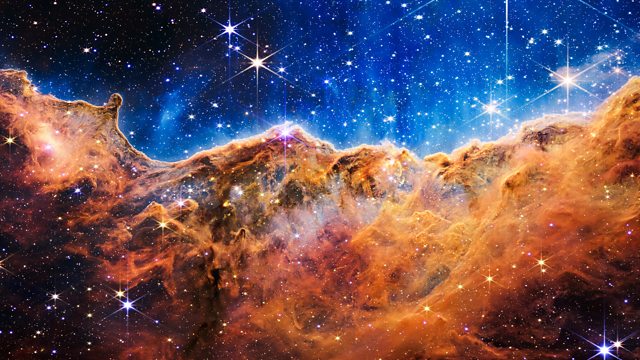
The Sky at Night – James Webb Road Trip: On 12 July 2022, the Sky at Night joined the rest of the world to watch as the James Webb Space Telescope released its long-awaited first images. And it didn’t disappoint. Stars and galaxies were revealed in such detail that they blew even the most experienced astronomers away. However, as spectacular as these images were, it was the data that they represented that really excited the scientists watching.     Chris Lintott travels around the country, meeting some of the scientists getting their hands on the very first batches of data

The Sky at Night – James Webb Road Trip Read More »

The Sky at Night - Exoplanets and Antarctica

The Sky at Night – Exoplanets and Antarctica

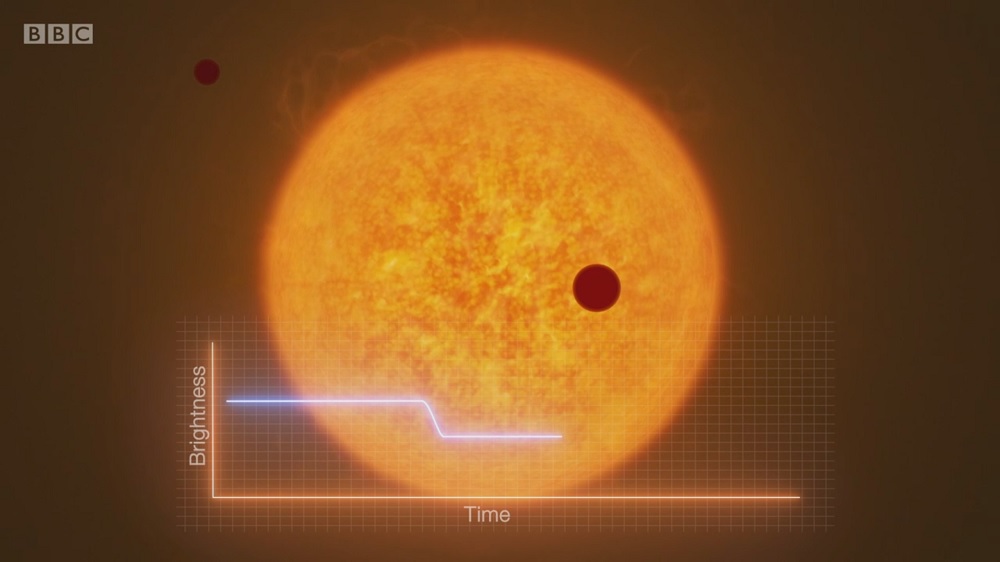
The Sky at Night – Exoplanets and Antarctica: In a month when the tally of confirmed exoplanets passed 5,000, it’s astonishing to remember that just 30 years ago, the notion of planets outside our own solar system was, well – just a notion. Since the first extrasolar planet was discovered in 1992, a staggering array of other worlds have been identified, including many in solar systems quite unlike our own.     Professor Amaury Triaud (University of Birmingham) studies binary systems – two stars locked in mutual orbit – and the planets that have been found orbiting them. Recently, Professor

The Sky at Night – Exoplanets and Antarctica Read More »


The Sky at Night - The Forgotten Solar System

The Sky at Night – The Forgotten Solar System

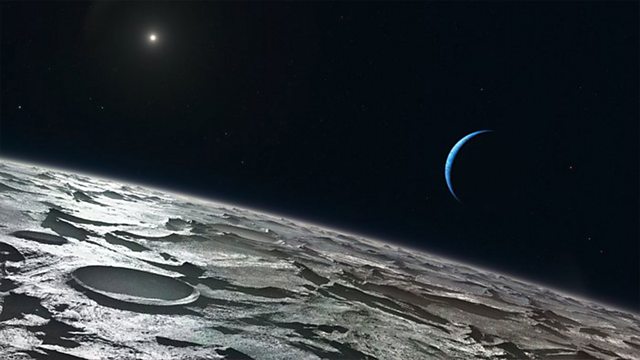
The Sky at Night – The Forgotten Solar System: Of the 100 probes that have been sent out into space, only one probe – Voyager 2 in 1989 – has ever sent back any information about the solar system’s outer planets. From afar, they seem featureless and devoid of any significant geological activity.     Since then, long-range telescopes have shown that there is much more to Neptune and Uranus than previously thought and that they both warrant closer inspection. Time, however, is of the essence. Deep-space missions are dependent on Jupiter. The slingshot effect it provides to move probes

The Sky at Night – The Forgotten Solar System Read More »

Here Comes the Sun

The Sky at Night – Here Comes the Sun

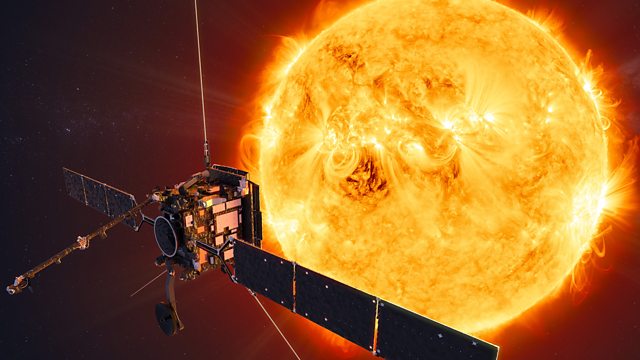
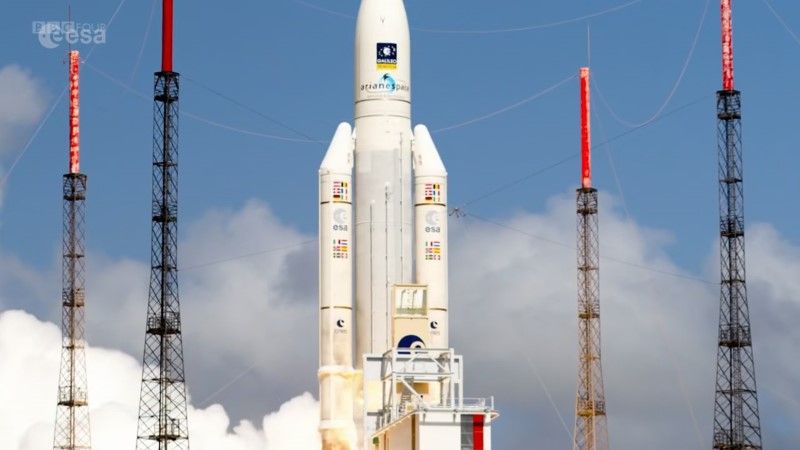
The Sky at Night – Here Comes the Sun: Esa’s solar orbiter was launched from Cape Canaveral earlier this year on a decade long mission to discover the secrets of our sun. And the Sky at Night was there to capture all the action. Two aspects of this mission make it unique. First, the spacecraft is designed to capture the highest resolution images of the sun ever taken. And then it will orbit the sun to give us a glimpse of what’s happening at the its poles, areas we have never seen before.     In this programme, we discover

The Sky at Night – Here Comes the Sun Read More »


The Sky at Night - Alien Worlds

The Sky at Night – Alien Worlds

The Sky at Night – Alien Worlds investigates what we know about these alien worlds and looks at how we have managed to detect them. It is not just our sun that is circled by planets. In recent years, astronomers have found over 4,000 planets circling stars other than our own.     Professor Chris Lintott visits the UK Astronomy Technology Centre in Edinburgh to see a cutting-edge camera designed to take pictures of exoplanets. And Dr Maggie Aderin-Pocock talks to experts about the continuing hunt for alien worlds and, even, alien moons. Meanwhile, Pete Lawrence sticks to hunting for

The Sky at Night – Alien Worlds Read More »

The Sky at Night - Space Mission Special

The Sky at Night – Space Mission Special

The Sky at Night – Space Mission Special: Only a handful of missions are sent into space every decade, but how do we decide which missions are cleared for launch and which are grounded?     This month the Sky at Night goes behind the scenes as the European Space Agency select their next F-class mission, scheduled to be launched in 2028. And we meet the British teams vying to have their ideas selected, including a revolutionary mission to a comet.     The Sky at Night – Space Mission Special   The Science Programme of the European Space Agency

The Sky at Night – Space Mission Special Read More »


Apollo Moon landings

The Sky at Night – Return to the Moon

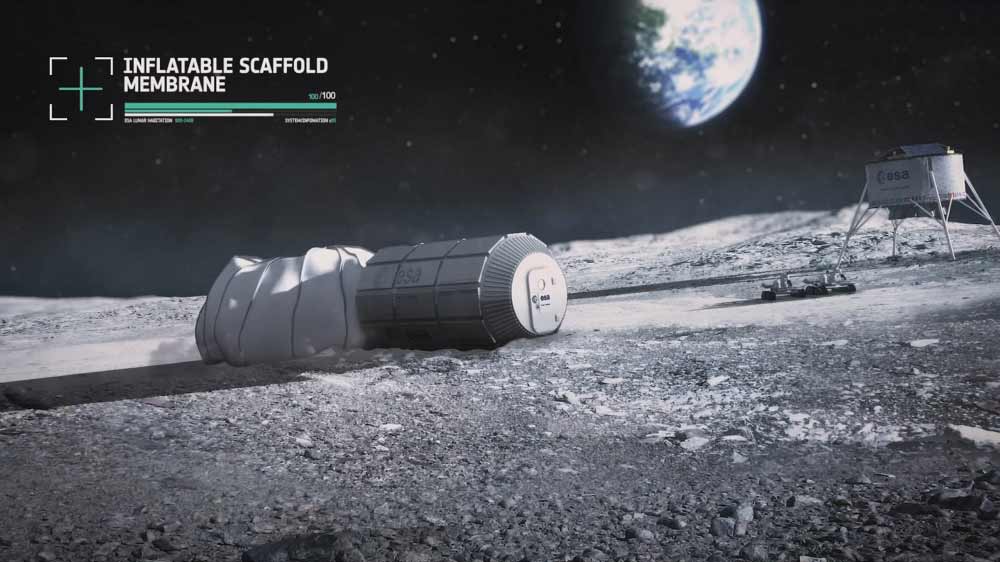
In the first of two programmes to commemorate the 50th anniversary of the Apollo Moon landings, the Sky at Night team take a look at the latest plans to return to the Moon. Recently, China, Israel and India have all sent major missions to the Moon. The Europeans and Americans are planning to build a space station in permanent orbit around the Moon.     And NASA has just announced that they plan to land astronauts on the Moon’s surface within five years. It all suggests that we are on the verge of a new golden age in lunar exploration.

The Sky at Night – Return to the Moon Read More »

supermassive black hole

The Sky at Night – Supermassive Black Hole

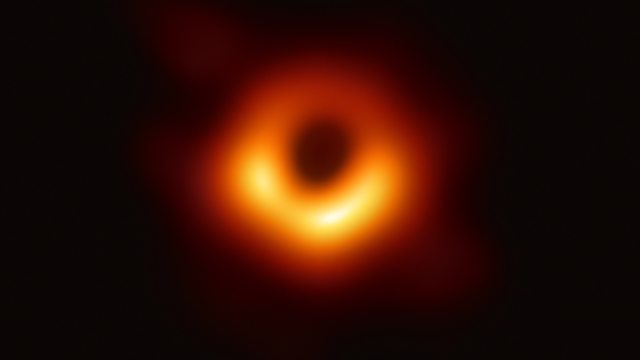
The Sky at Night episode reveals how the first picture of a supermassive black hole was captured. When the photograph of the hole at the heart of the M87 galaxy was released in April, it captured the world’s imagination and made headlines everywhere.     Chris Lintott reports from behind the scenes, meeting the scientists from the Event Horizon Telescope who worked for a decade to capture the image. And Maggie Aderin-Pocock reveals the mysterious and terrifying power of this astonishing cosmic phenomenon.   The Sky at Night – Supermassive Black Hole   A supermassive black hole (SMBH or sometimes

The Sky at Night – Supermassive Black Hole Read More »

Sky at Night - Is Cosmology in Crisis

The Sky at Night – Is Cosmology in Crisis ? episode 2 2019

The Sky at Night – Is Cosmology in Crisis ? episode 2 2019: ever since we discovered that distant galaxies are racing away from us, there has been a heated debate over just how fast the Universe is expanding. At the beginning of the 21st century, we thought we knew the answer. But now, two very different viewpoints have emerged. And they are dividing the scientific community.     The Sky at Night meets leading astronomers and cosmologists on both sides of the debate. Which team has the right answer? Or could both teams be right? If so, we may

The Sky at Night – Is Cosmology in Crisis ? episode 2 2019 Read More »

Beyond Pluto

The Sky at Night – Beyond Pluto episode 1 2019

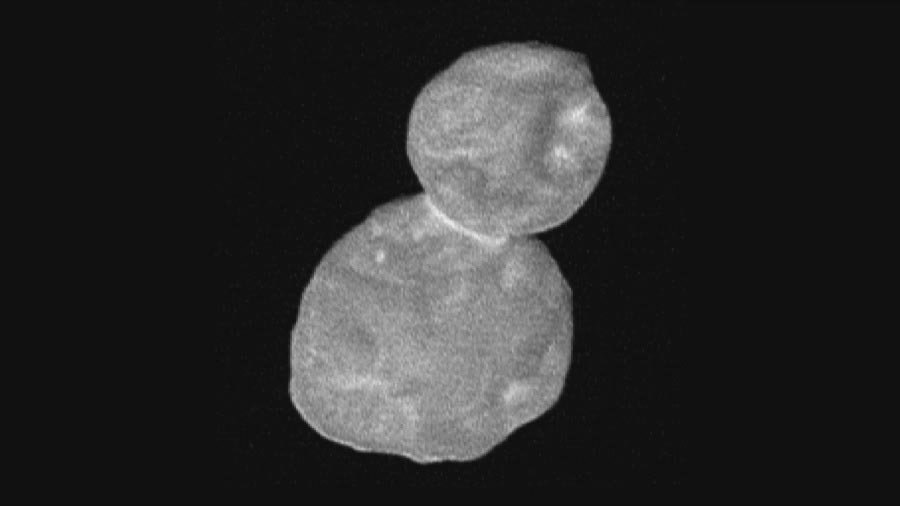
The Sky at Night – Beyond Pluto: On 1st January 2019, Nasa’s New Horizons probe notched up another historic first: the first ever Kuiper belt fly-by. Its target was 2014 MU69, a chunk of ice and rock about four billion miles (approximately 6.4 billion kilometres) from Earth, dubbed Ultima Thule, a Latin phrase meaning a distant, unknown region. It is the most distant fly-by in history, and it is believed the data New Horizons gathers will shed new light on the solar system’s early days. Chris Lintott reports from the John Hopkins Applied Physics Laboratory in Maryland to bring the

The Sky at Night – Beyond Pluto episode 1 2019 Read More »

Guide to the Galaxy

The Sky at Night – Guide to the Galaxy

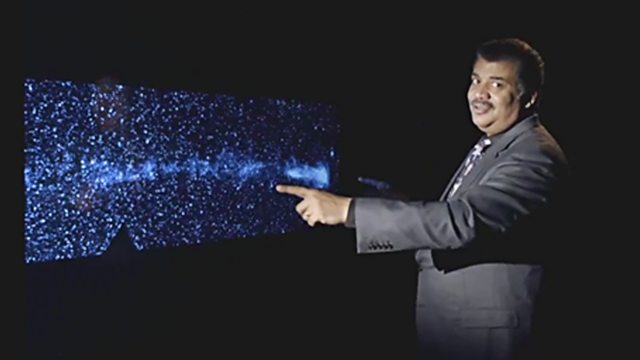
Guide to the Galaxy: all good travel guides need a map, and the team unveil the most detailed 3D map of the Milky Way ever produced. A map that reveals that there may be 50 per cent more stars in the galaxy than we previously thought.     American astronomer Neil deGrasse Tyson gives us a guided tour of the strangest stars we have ever observed, and we discover that the Milky Way may already be colliding with our neighbouring galaxy, Andromeda. Guide to the Galaxy A galaxy is a gravitationally bound system of stars, stellar remnants, interstellar gas, dust,

The Sky at Night – Guide to the Galaxy Read More »

Scroll to Top